As an Amazon Associate, we earn from qualifying purchases. Some links on this site are affiliate links at no extra cost to you. Our recommendations are based on thorough research and editorial judgment.


What Performance Modifications Void Warranties?

Performance Modifications can void warranties if they directly cause part failures. Aftermarket Parts are acceptable, but they should comply with specifications to avoid warranty denial. Engine Tuning may lead to issues like overheating or misalignments, risking warranty coverage. Suspension Modifications need precise alignment to prevent associated failures. Using Manufacturer-Backed Parts typically preserves warranty rights, following installation guidelines. Ensuring compliance with the Magnuson-Moss Act protects us from unjust denials. There’s more to understand about managing modifications and warranties.
Key Takeaways
- Modifications that directly cause component failure, such as improper ECU tuning, can void warranties due to performance issues.
- Using aftermarket parts not recognized by the manufacturer, like non-genuine components, may lead to warranty denial.
- Significant alterations, such as lowering kits that impact suspension stability, can risk specific warranty coverage.
- Removal of emissions-related components, like catalytic converters, typically voids warranty protections immediately.
- Poor installation quality of performance parts can result in damages that lead to warranty disputes and denials.
Understanding Warranty Basics
Understanding Warranty Basics is essential for any vehicle owner. Definition and Purpose of Car Warranties: A car warranty is a contract, guaranteeing repair or replacement of essential components if they fail due to manufacturing defects. Warranty Longevity: Manufacturer’s warranties typically cover specific defects for a set time or mileage, ensuring peace of mind as we drive our vehicles. Types of Car Warranties: These include manufacturer’s, powertrain, bumper-to-bumper, and hybrid/EV battery warranties, each offering varying levels of protection. Coverage Limitations and Exclusions: It’s important to remember that normal wear, accidental damage, and unauthorized modifications aren’t covered. Understanding warranty definitions helps us make informed decisions about our vehicle’s maintenance, ensuring we maintain warranty validity throughout its lifespan. Additionally, modifications that enhance performance, such as upgrading to brushless motors, can lead to warranty voidance if they result in damage.
Impact of Aftermarket Parts on Warranty Coverage
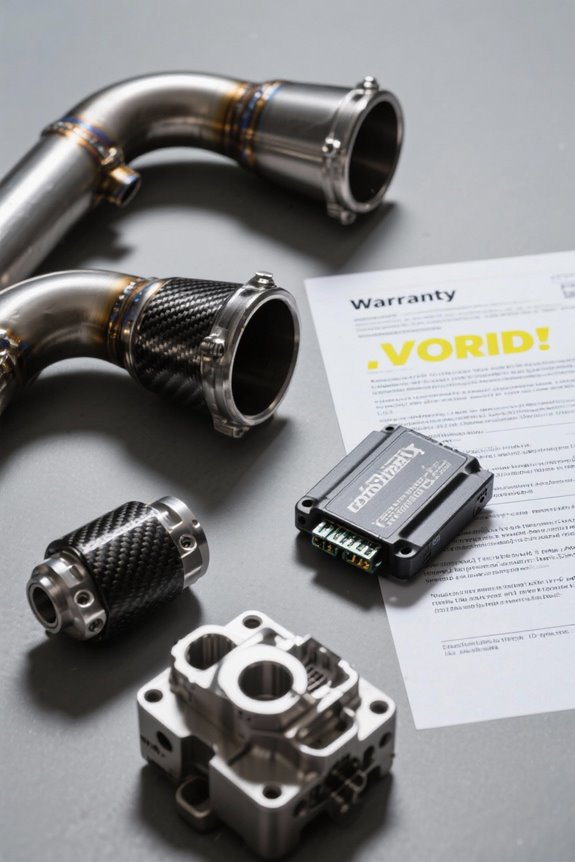
When considering aftermarket parts for our vehicles, it’s essential to understand their potential effects on warranty coverage. Legal Protections: The Magnuson-Moss Warranty Act guarantees warranties cannot be voided solely due to aftermarket components. Manufacturers must prove that a specific part caused a malfunction, safeguarding our rights. Consumer Rights: We retain the ability to select third-party parts and repair services without forfeiting warranty protections, allowing us to personalize our vehicles. Manufacturer Restrictions: Some manufacturers claim that only “genuine” parts keep warranties valid. However, such performance part regulations are often legally challenged, giving us the flexibility to explore aftermarket compatibility. By understanding these aspects, we can confidently modify our vehicles without fear of unjust warranty denial. Additionally, using high-quality aluminum components can enhance durability while remaining compliant with warranty stipulations.
The Role of Installation in Warranty Denial
Installation Quality and Warranty Validity**: Even minor installation errors can lead to warranty denials, affecting our vehicle’s coverage. It’s essential that we guarantee high installation quality, as unauthorized or DIY processes considerably increase denial risks. Certified technicians follow manufacturer guidelines and utilize proper tools, helping safeguard our warranty. When modifications are properly documented, including receipts and photos, we create strong evidence supporting our claims. This documented proof becomes critical, especially when damage arises from improper installation, like a misaligned ECU tune. Manufacturers may assess installation workmanship, so maintaining detailed records can help us distinguish between failures caused by modifications versus unrelated issues. By adhering to these best practices, we minimize the chances of warranty disputes and protect our investments. Moreover, using high-quality materials** during upgrades can further ensure durability and performance, making it crucial to choose reliable parts.
Manufacturer-Backed Performance Parts
Manufacturer-Backed Performance Parts Overview: Many car enthusiasts seek to enhance their vehicles’ performance, and one reliable option is manufacturer-backed performance parts. These components, offered by divisions like Mopar, M Performance, and Chevrolet Performance, are engineered for performance part compatibility while meeting OEM standards. Typically, using these parts won’t void manufacturer warranties, as long as they’re installed and operated within normal parameters. Additionally, the Magnuson-Moss Warranty Act protects us from warranty denials without proof of a direct link between the part and the malfunction. Dealerships usually honor warranty claims if the installation follows guidelines, ensuring our modifications enhance performance without risk. It’s essential for us to review warranty terms carefully and understand warranty claim processes when adding these upgrades. Many heavy-duty RC trucks, like the Hyper Go 14210, can be modified with high-torque motors to further improve performance and speed.
Risks of Engine Tuning Modifications
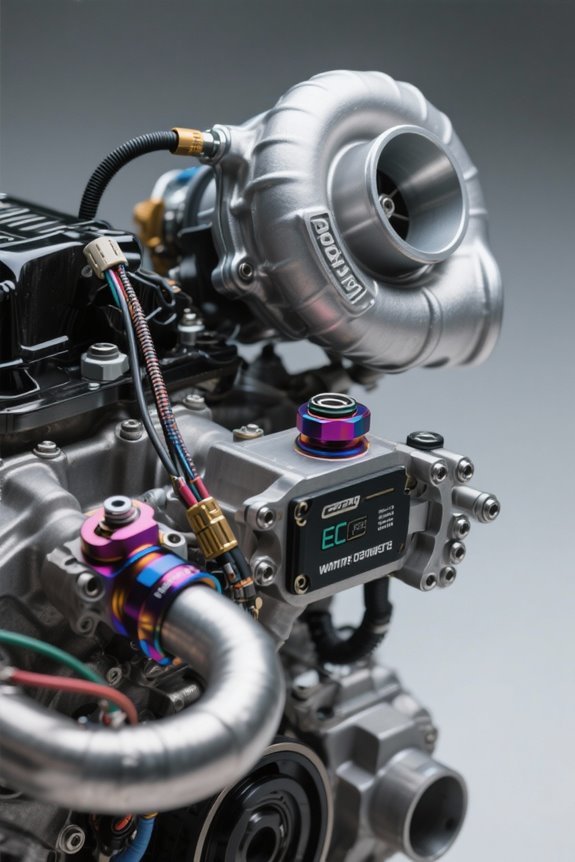
Engine tuning modifications can provide significant performance gains; however, they come with notable risks that we should consider carefully. Engine Control Unit (ECU) Tuning Risks involve modifying the ECU, which alters engine timing and performance parameters. This can lead to engine overheating, increasing the risk of mechanical failures like piston damage or crankshaft cracks. Importantly, manufacturers may deny warranty claims for issues related to tuning, even if damage isn’t immediately apparent. Additionally, aftermarket ECU tunes typically void warranty coverage on the engine, while manufacturer-backed tunes might not. It’s essential to acknowledge that tuning-induced changes can accelerate performance degradation in components, potentially resulting in denied claims on essential parts. Understanding these risks guarantees we’re making informed decisions about our vehicles. Furthermore, opting for upgrades that enhance waterproof electronics can improve reliability during challenging conditions.
Suspension and Handling Upgrades Explained
Lift Kit Considerations are essential; while they typically won’t void entire vehicle warranties, any resulting suspension component failure could lead to denial of coverage. It’s critical to guarantee proper installation, ideally by certified professionals, to protect your warranty status. Additionally, upgrades like sway bars or bushings generally maintain warranty integrity, provided they don’t directly cause failures. By making these informed choices, we can achieve improved vehicle dynamics while safeguarding our warranties. Furthermore, materials like carbon fiber frames can enhance performance without compromising warranty coverage.
Cosmetic Modifications and Warranty Implications
When considering cosmetic modifications for our vehicles, it’s important to understand their warranty implications. Legal Protections: The Magnuson-Moss Warranty Act requires dealers to prove that any aftermarket cosmetic alteration caused a failure before voiding warranty protection. Cosmetic Modifications: Changes like paint protection films or interior trim replacements generally do not impact warranties, as they don’t affect vehicle function. Risk Factors: However, if a cosmetic alteration—such as window tint or decals—indirectly leads to an issue like electrical failure, warranty claims may be denied. Dealer Perspectives: Some dealers may interpret modifications more conservatively, while others embrace them. It’s crucial to check with our specific dealer about their policies regarding cosmetic changes to maintain our warranty protection effectively. Additionally, understanding high-quality materials used in aftermarket modifications can further inform our decisions about potential warranty impacts.
Importance of Documentation and Professional Installation
Utilizing reputable tuners also provides additional warranty assurance, as many offer their own coverage. We must communicate openly with our dealers about these modifications to avoid misunderstandings. Clear, dated aftermarket records detailing all modifications can help demonstrate that failures were unrelated to aftermarket parts, ultimately supporting our efforts to retain warranty protections while enjoying our performance enhancements. Additionally, ensuring that all adjustments comply with material safety standards enhances reliability and maintains manufacturer warranty eligibility.
Manufacturer-Specific Performance Upgrade Programs
Ultimately, choosing these certified upgrades lets us enjoy enhanced performance while keeping warranty protections intact, making them a wise choice for any discerning driver. Furthermore, adhering to aftermarket parts ensures longevity and optimal functionality in Heng Long tanks.
Evaluating Risks of Generic Aftermarket Parts
When installing generic parts, we must guarantee they meet or exceed OEM specifications to avoid accelerated wear. By keeping thorough records of our modifications, we can counter unwarranted warranty denials and safeguard our investments, allowing us to enjoy our vehicles fully, without unnecessary worry. Additionally, understanding the implications of maintenance practices is essential to preserve performance and keep your warranty intact.
Suspension Modifications: What to Expect
Suspension Modifications Overview: While exploring suspension modifications, it’s important to understand the potential impacts on vehicle performance and warranty coverage.
Coilover Benefits: Installing coilovers can enhance handling, providing greater adjustability for ride height and stiffness. These upgrades generally don’t void warranties unless they are linked to a failure.
Suspension Alignment: After modifications, proper Suspension Alignment becomes critical to maintain vehicle stability and tire longevity.
Warranty Risks: However, lowering kits may lead to warranty denial if issues arise with suspension components, like shocks or struts.
Manufacturer Guidelines: Manufacturers may specify that certain mods, such as motor mount changes, could void specific parts of the warranty.
Understanding these factors helps us navigate our modifications while protecting our warranties effectively.
Powertrain Enhancements and Warranty Concerns
Aftermarket Enhancements, such as cold air intakes and exhaust systems, can improve powertrain reliability if emissions components remain intact. Yet, removing parts like catalytic converters can trigger immediate warranty voiding. It’s essential to understand that while modifications can enhance performance, they may also carry warranty implications if linked to component failure. Always consider certified options to minimize risks.
Consumer Rights Under the Magnuson-Moss Act
Understanding our rights under the Magnuson-Moss Warranty Act (MMWA) is essential for anyone considering modifications to their vehicle. The MMWA empowers us as consumers, ensuring warranty misconceptions don’t cloud our judgement. Specifically, it prohibits manufacturers from voiding warranties merely due to aftermarket parts or services. Instead, warranty denial hinges on the manufacturer proving a direct link between the modification and the damage. This means we can engage in consumer advocacy by challenging unsupported warranty denials. It’s vital to remember that we can perform routine maintenance or opt for aftermarket parts without risking our coverage. Knowing our rights allows us to modify our vehicles confidently, ensuring our choices reflect our needs without compromising warranty protections.
Choosing Mod-Friendly Dealerships for Better Warranty Management
Trustworthy Service Centers avoid immediate warranty denials by carefully evaluating whether a modification caused a fault, which can help us maintain coverage. Specialized Dealerships often cater to performance vehicles, understanding common modifications related to them. By engaging with performance specialists, we can receive accurate advice on warranty-safe modifications. In the end, these connections enhance our chances of successful warranty claims and create a supportive community for our vehicle passions.
Frequently Asked Questions
Can I Modify My Car Without Losing Warranty Coverage?
About 60% of car owners worry about warranty implications when considering car modifications. We can enjoy enhancing our vehicles, but we must choose carefully to avoid voiding warranties. Let’s explore those options together!
What Should I Do if My Warranty Claim Is Denied?
If our warranty claim’s denied, we should start the warranty appeal process by gathering denial justification, reviewing terms, collecting evidence, and submitting a detailed appeal. Staying organized strengthens our case and increases our chances.
Are There Specific Brands Known for Warranty-Friendly Parts?
We love brands like Dodge Mopar and BMW M Performance, known for their quality and warranty compliance. Sticking to reputable brands helps us modify our vehicles while ensuring brand reputation and peace of mind.
How Do Dealers Assess Aftermarket Part Impacts on Warranties?
Dealers assess aftermarket impacts using detailed aftermarket assessments and dealer discretion. They investigate if parts caused issues, ensuring transparency in diagnosis. We’re here to help you navigate these processes with confidence and clarity throughout your ownership experience.
Is There a Time Limit on Warranty Claims After Modifications?
There isn’t a strict time limit on warranty claims after modifications; however, it’s essential to understand modification timelines and their implications. We should remain aware of how these changes affect our original warranty coverage together.


