As an Amazon Associate, we earn from qualifying purchases. Some links on this site are affiliate links at no extra cost to you. Our recommendations are based on thorough research and editorial judgment.

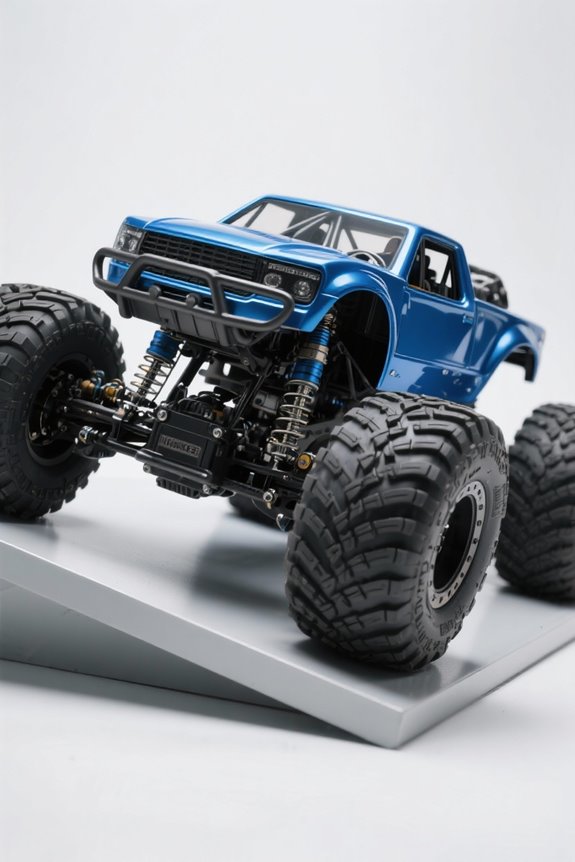
How To Choose Between Different RC Truck Scales?

When choosing between RC truck scales, we should consider Scale Sizes, where 1/5 scales measure 30-40 inches and weigh 10-40 pounds, while 1/10 scales range from 16-22 inches and weigh up to 20 pounds. Next, evaluate Terrain Capability; larger scales excel off-road, while 1/10 scales perform well on various surfaces. Don’t overlook Performance; larger trucks provide more power and torque, enhancing speed. Finally, we must assess Portability; smaller scales fit easily in medium-sized bins, affecting transport. There’s more to explore about specific models and their features.
Key Takeaways
- Consider the terrain you’ll drive on; larger scales excel on rough, off-road conditions while smaller scales are versatile on pavement and dirt.
- Evaluate your driving preferences; 1/10 scales are ideal for casual use while larger models handle difficult obstacles effectively.
- Assess size and weight for portability; smaller scales are easier to transport and store compared to larger trucks which require dedicated space.
- Factor in motor capacity and speed; larger scales typically have more powerful motors, enabling better torque and performance on rough surfaces.
- Determine your budget and maintenance commitment; larger scales generally incur higher initial costs and frequent repairs compared to medium and smaller models.
Understanding Scale Sizes and Dimensions
When we consider the importance of scale sizes, it’s essential to understand how they influence the performance and usability of RC trucks. Scale Characteristics vary greatly; for instance, 1/5 scale trucks measure 30 to 40 inches in length, while 1/10 scale trucks range from 16 to 22 inches. Size Comparisons show that larger models, like 1/5 scales, weigh between 10 to 40 pounds, providing stability on rugged terrain, while 1/8 scales offer a balanced 5 to 20-pound range. Smaller scales, such as 1/12 and 1/24, most commonly used for compact areas, range from 12 inches down to just a few inches. Knowing these dimensions helps us choose the right scale for our driving preferences and environments. Durability and construction of the RC truck can also play a significant role in its performance based on the scale chosen.
Recommended Products

Powerful heavy load capacity: The heavy-duty metal chassis has excellent load-bearing capacity and can easily handle heavy loads and complex terrain challenges.

Powerful: short course truck in 1:8 scale with 6S power for maximum performance and authentic driving experience.

【Officially Licensed Ford Bronco Baja 1000 Design】Fully licensed by Ford and RTR Vehicles, featuring two iconic Baja 1000 liveries from 2024 and 2025—perfect for collectors and hardcore off-road fans.
Evaluating Terrain Capability and Use Cases

Evaluating terrain capability in RC trucks is essential for selecting the right model for our needs, especially since different scales excel in varied environments. Scale Adaptability: Smaller scales, like 1/10, handle diverse terrain types including pavement, dirt, grass, and light rocks with moderate ground clearance. Medium scales, such as 1/8, perform best on dirt tracks but require relatively smoother surface conditions. Larger Scales: Models 1/6 and above excel in extreme off-road conditions, utilizing higher ground clearance and specialized features for maneuvering rugged terrain. Use Case Versatility: While 1/10 scales serve well for casual driving, larger scales are ideal for crawlers tackling difficult obstacles. Furthermore, many vehicles, like the ARRMA 1/10 Granite, offer high-traction tires designed specifically for enhanced handling on various surfaces. Choosing the right scale guarantees we match our vehicle to our preferred terrain types and surface conditions.
Recommended Products

Give your F-150 the Perfect Blend of Performance, Protection, and Style from Rough Country.

Give your C/K 1500 the perfect blend of performance, protection, and style from Rough Country.

All-Metal Drivetrain
Assessing Performance and Speed Potential
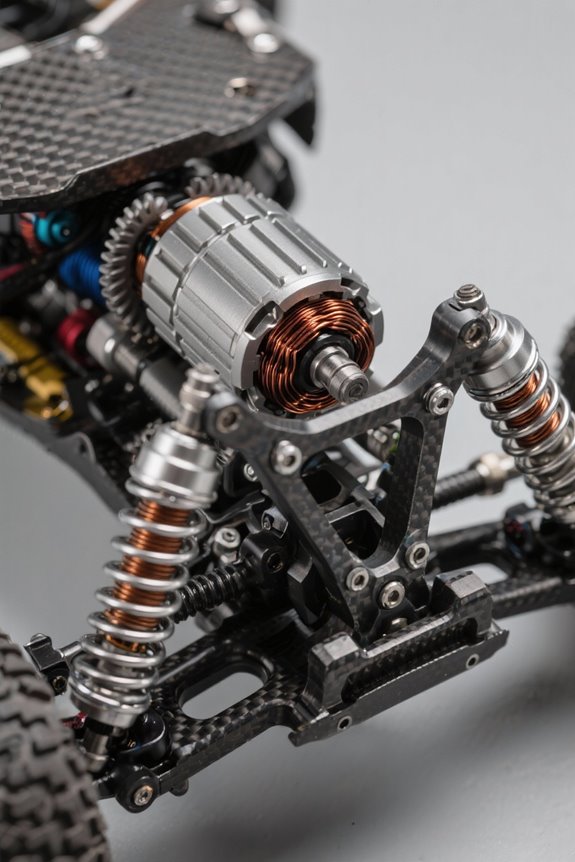
Motor Capacity: Larger scales, like 1/8 and 1/10, house more powerful motors, enabling higher top speeds and superior acceleration dynamics.
Speed Comparison: 1/10 scale trucks often reach competitive speeds, striking a balance between speed and control for varied terrain.
Acceleration Dynamics: Smaller scales, such as 1/24, prioritize agility over speed, achieving moderate speeds of 15-25 mph due to limited motor capacity.
Torque Considerations: Larger trucks benefit from increased torque, enhancing performance under load and maintaining speed over rough surfaces. Additionally, the adoption of brushless technology in many high-performance models further improves efficiency and speed capabilities.
Recommended Products

Officially Licensed: Designed to look and perform just like the real trucks
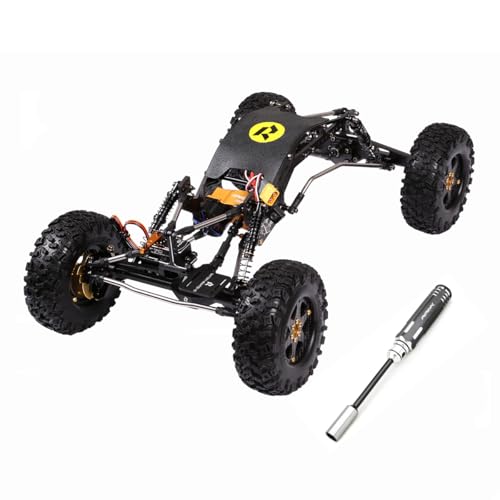
YUE V2-RTR Sporty Crawler With T70 Brushless Servo Outrunner Brushless Motor
Powered by a 4282-2600KV brushless motor (up to 48,000 RPM) and 140A brushless ESC (APP adjustable), the HY6 Brushless delivers thrilling speeds of 31-62 km/h on 6S – perfect for high-speed off-road action and heavy-duty trailing
Analyzing Cost, Maintenance, and Upgrades
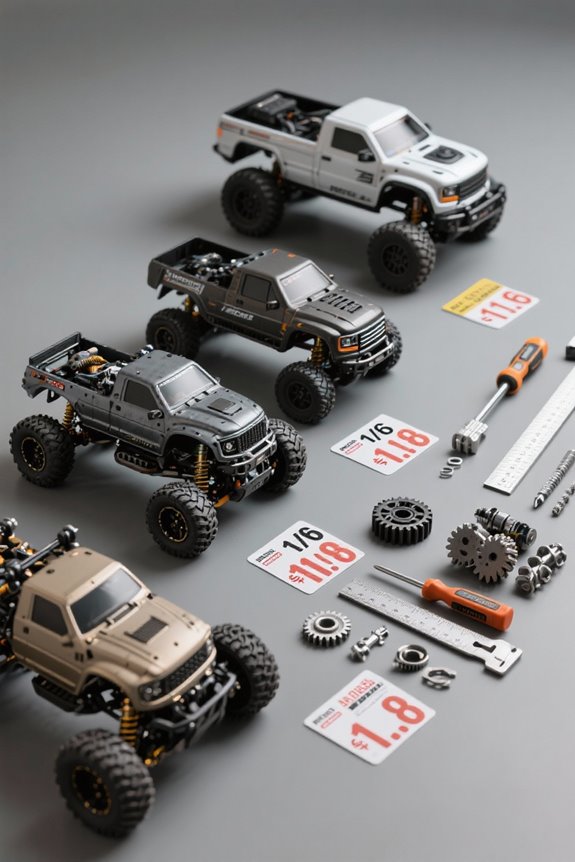
Understanding the costs associated with different RC truck scales is essential for any hobbyist. Cost Variation: Larger scales, such as 1/5 and 1/6, often have higher initial purchase prices, reflecting the strength of their motors and robustness of their components. These higher costs extend to maintenance frequency, as larger trucks require more frequent repairs and part replacements due to their use in rugged environments. Medium Scales: Trucks like 1/10 strike a balance between cost and performance, featuring a wide array of upgrade options and readily available parts, which keeps repair costs manageable. Investing in these upgrade options enhances performance while ensuring we’re part of a supportive community dedicated to sharing knowledge and resources for all levels of enthusiasts. Additionally, many models like the ARRMA Granite benefit from replacement parts availability, making it easier for hobbyists to maintain and customize their vehicles.
Recommended Products

4x4 1/16 HG RC Off-road Vehicles Electric Crawler Car FJ40

<br>Manufacturer: NOOXION <br>Item Condition: New, almost assembled & painted. <br>Scale: 1/14 <br>Material: metal, plastic, rubber, wood <br>Size: 1138x186x205mm <br>Net Weight: about 10kg <br>Suitable for: 1/14 for Tamiya LESU RC tractor truck, DIY models <br>ID: NX-6Axles-Trailer

Traxxas set a new standard for RC monster trucks with the release of the original X-Maxx. Since then, X-Maxx has only grown stronger and more powerful with each generation. The new X-Monster Chassis incorporates the latest and greatest X-Truck upgrades to create the strongest chassis and driveline ever offered.
Considering Portability and Storage

Portability and storage are significant factors when selecting an RC truck scale, as they directly impact our readiness for outdoor adventures. Size Impact on Portability: Larger trucks, typically in the 1/5 scale range, can measure 30-40 inches in length and weigh between 10-40 pounds, leading to difficulties in transport. Storage Space Requirements: These larger models often need dedicated shelving or storage solutions due to their bulk. Conversely, mid-sized models (1/8 scale) balance size and weight, fitting easily into standard storage spaces. Smaller scales (1/10 and below) weigh under 10 pounds and readily fit in medium-sized bins. Transportation Methods: Consider how easily we can transport our models; micro trucks are perfect for quick trips, while larger scales may require additional carries or vehicles. Additionally, the durability of ARRMA truck models offers peace of mind for those looking to venture into rugged environments without worrying about damage.
Recommended Products

【Official Licensing, Mini Pickup Realism】 The FMS FCX18S Sierra S 1/18 scale rc crawler perfectly replicates the pickup design. With finely detailed interior, foldable side mirrors, door handles, wipers, and roll cage, plus a realistic ABS hard-shell body, it’s compact and portable—ready to deliver an authentic off-road driving experience anytime, anywhere.

Rochobby 1/12 Kubelwagen Type 82 RC Crawler: As the Kubelwagen Type 82, the Type 82E Kommandeurwagen is also one of the classic models in the history of automobile development. Realistically restores the painting of the real car. In addition to the restored Desert Yellow Painting, the Exquisite pad-printed body logo is also printed on the door.

Durable & Long-Lasting: This RC jumping ramp crafted with high-quality endurance plate, its sturdy structure can bear heavy RC vehicles, providing reliable support for your RC vehicle's jumping and flying exercises, and ensure a long-term service life
Determining Learning Curve and User Experience
While we explore different scales of RC trucks, it is crucial to reflect on how each affects our learning curve and user experience. Impact of Scale on Learning Complexity: Smaller scale models, like the 1:24 trucks, boast slower speeds and less power, allowing us to build control skills with a diminished risk of damage. As we progress, mid-range trucks, such as 1:10, provide manageable power for skill assessment and terrain capability. Skill Development Progression: Larger scales (1:8 and above) demand precise control and offer higher realism, ideal for advanced users. Shifting between scales enhances our adaptability through varied handling characteristics, enabling an all-encompassing learning progression. Each scale presents unique challenges, shaping our user experience in exciting ways, and fostering our growth in the RC hobby. Additionally, understanding terrain suitability for different models can significantly influence performance and user satisfaction.
Frequently Asked Questions
What Are the Best Brands for Different RC Truck Scales?
When exploring the best brands for RC trucks, we love Traxxas for its fantastic features and durability. HPI Racing also impresses us with its quality and performance, making both brands top choices for enthusiasts like us.
Can I Use My RC Truck in Water or Snow?
Yes, we can use our RC truck in water or snow if it has waterproof features. With great snow performance and proper maintenance, we’ll enjoy thrilling adventures without worrying about damage from the elements.
How Do I Choose the Right Battery for My RC Truck?
To choose the right battery for our RC truck, we should consider battery types like NiMH for beginners or LiPo for performance. Don’t forget charging options that fit our needs and guarantee safety during use.
What Are Common Upgrades for Each RC Truck Scale?
When upgrading our RC trucks, we typically focus on motor upgrades for better performance and explore various tire options to enhance traction. It’s all about improving our experience and having fun on different terrains together.
How Do I Find Local RC Truck Racing Events or Groups?
To find local RC truck racing events or clubs, we can search social media, visit hobby shops, and check event calendars. Joining communities helps us connect and experience the excitement together with fellow racers.


