As an Amazon Associate, we earn from qualifying purchases. Some links on this site are affiliate links at no extra cost to you. Our recommendations are based on thorough research and editorial judgment.


Are Expensive Performance Parts Always Better?

Quality vs. Cost: Expensive performance parts aren’t always superior. We often find that OEM parts offer better longevity, while high-quality aftermarket options can provide performance gains without sacrificing durability. performance gains: Power adders like turbochargers improve horsepower but may impact fuel economy if not correctly tuned. Diminishing Returns: Investing in upgrades beyond a certain point yields minimal gains compared to cost. Informed choices resonate with vehicle needs—discover how to make the best decisions strategically.
Key Takeaways
- Expensive performance parts often ensure superior durability and fit, reducing long-term repair costs compared to cheaper alternatives.
- Quality aftermarket parts can enhance performance without sacrificing longevity, making them a viable option alongside OEM parts.
- Over-investing in performance upgrades can lead to diminishing returns, where additional cost results in minimal performance gains.
- Proper tuning and installation of both expensive and affordable parts are crucial for achieving optimal performance and efficiency.
- Assessing cost versus benefit helps prioritize upgrades effectively, focusing on quality and reliability rather than just price.
Understanding Quality vs. Cost in Performance Parts
When we consider performance parts for our vehicles, understanding Quality vs. Cost is essential for making informed decisions. Performance Part Longevity is often linked to the part’s origin; OEM parts typically provide superior durability and reliability due to stringent manufacturing standards. In contrast, aftermarket parts can vary widely in lifespan based on their quality. Cost Benefit Analysis highlights that while OEMs may cost 20-50% more, they often guarantee better fit and function, minimizing long-term repair costs. Selecting high-quality aftermarket options can offer performance gains without sacrificing longevity, but lower-end parts might lead to frequent replacements. Ultimately, a balanced approach to cost and quality leads to smarter investments in our vehicle’s performance, optimizing both immediate and future expenses. Moreover, considering the impact of high-quality materials on durability can significantly influence overall performance and longevity.
The Impact of Performance Gains on Vehicle Efficiency
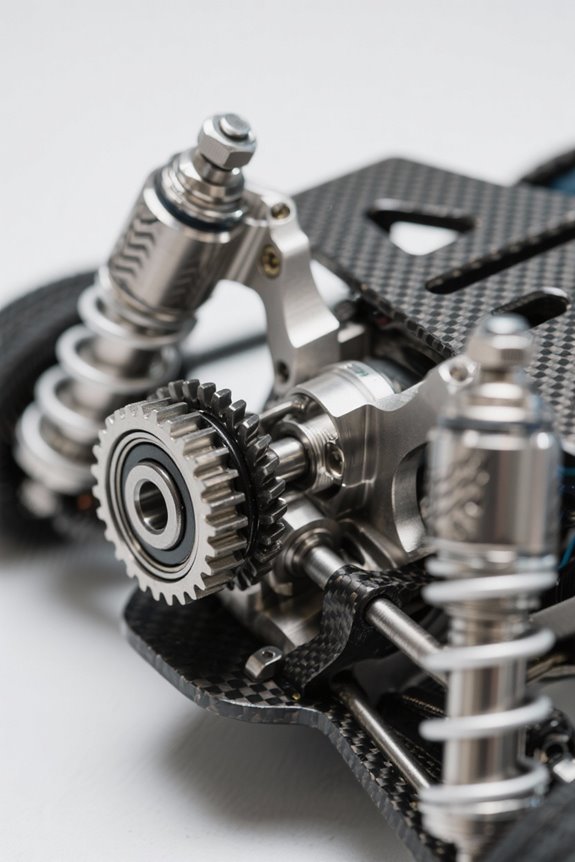
Power adders, like turbochargers, can greatly boost performance but may also increase engine load, leading to efficiency trade-offs if not tuned correctly. When we consider such modifications, balancing power with potential fuel economy loss is vital. Hence, investing in quality parts and thorough tuning helps guarantee we maximize performance gains without compromising overall vehicle efficiency. Additionally, incorporating aftermarket parts can further enhance performance and efficiency when carefully selected and installed.
Analyzing the Law of Diminishing Returns

Understanding Diminishing Returns****
In our exploration of performance investment, we must recognize diminishing returns as a critical factor. Initially, investing in performance parts yields substantial gains; however, as we upgrade, the benefits plateau. For example, adding a turbocharger dramatically enhances horsepower, but further investments, like high-performance fuel injectors, provide reduced output relative to cost. Once we cross a specific threshold, additional expenditure leads to minimal gains, making the cost-benefit analysis essential. If we push beyond efficient upgrades, we risk inefficiencies, resulting in negative returns. Consequently, understanding the law of diminishing returns helps us strategically prioritize enhancements, allowing us to maximize performance without unnecessary expenses. Moreover, the principle of cooling efficiency becomes increasingly significant as we invest in more powerful components, ensuring they operate optimally with minimal risk of overheating. Balancing gains against costs guarantees we make informed decisions in our performance investments.
Market Trends Driving Performance Parts Innovation
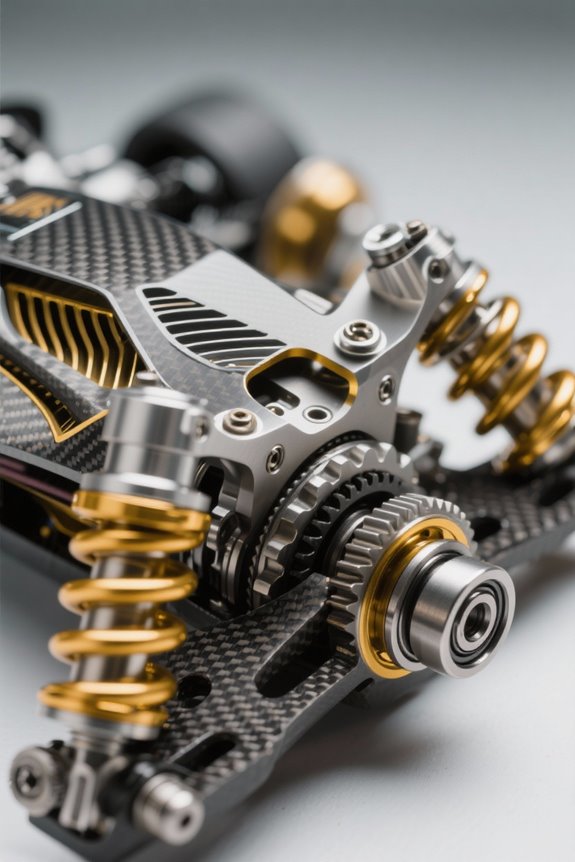
What factors are shaping the future of performance parts innovation in today’s automotive market? Market Growth: The global automotive performance parts market is set to increase to $351.42 billion by 2026, driven by vehicle ownership and disposable income. Vehicle Longevity: With the average vehicle age expected to rise to 12.8 years, the demand for aftermarket parts that enhance performance and lifespan is growing. E-commerce Expansion: Online sales are becoming more prevalent, enabling consumers to easily access specialized performance parts tailored to specific needs. These trends reflect significant market innovation, aligning with evolving consumer preferences for customization and efficiency. Ultimately, these dynamics contribute to a more vibrant aftermarket, where we can all find parts that fit our unique automotive aspirations. Moreover, the influence of high-performance models is pushing manufacturers to develop increasingly sophisticated components that appeal to enthusiasts.
Fuel Efficiency Benefits of Upgrading Performance Parts
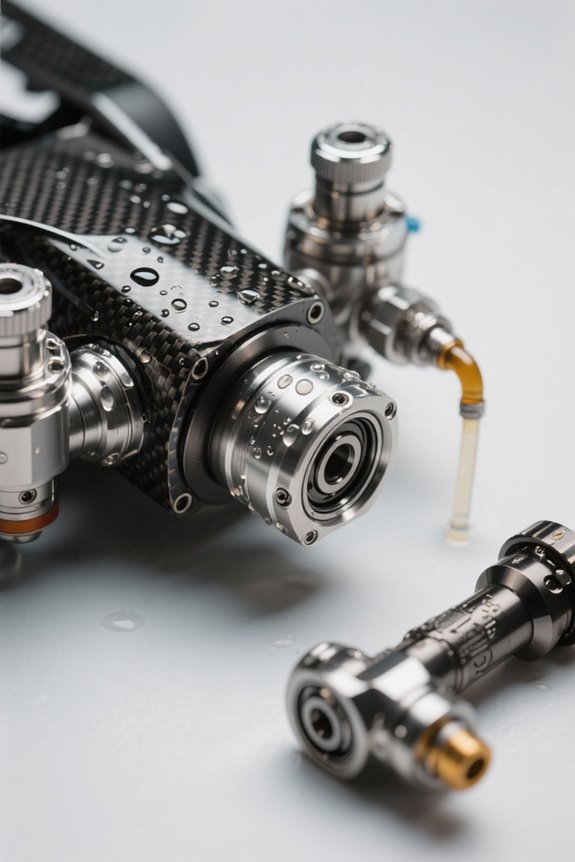
Upgrading performance parts can greatly enhance fuel efficiency, especially when we consider the technical advancements available today. Engine Combustion Efficiency Enhancements are essential; high-flow air filters increase air intake, improving combustion efficiency and optimizing fuel burn quality. Turbocharging smaller engines helps produce power comparable to larger engines while reducing fuel consumption by 2 to 6%. Lightweight components like metal wheels decrease engine load, enhancing fuel mileage. Aftermarket parts such as upgraded exhaust systems and fuel injectors optimize engine performance, leading to better fuel savings. By choosing the right performance upgrades, we not only improve our vehicle’s power but also reduce refueling frequency, ultimately lowering long-term fuel costs and contributing to a more efficient and eco-friendly driving experience. One notable example of performance enhancement can be seen in the high-torque MEGA motor, which delivers consistent power and is simpler to maintain compared to more complex systems.
The Role of Brand Reputation in Performance Parts Choice
When selecting performance parts, brand reputation plays a pivotal role in our decision-making process. Brand Trust and Perceived Quality influence our choices, as established brands typically demonstrate proven reliability through consistent performance metrics. This reliability fosters brand loyalty, making us more inclined to trust those with strong reputations. Warranty Offerings and Certified Testing further enhance our assurance, ensuring we’re investing in authentic parts. Consumers often face negative experiences with counterfeit components, emphasizing the need for reputation trust. Industry Recommendations also carry weight; mechanics tend to endorse reputable brands, which solidifies our confidence in choosing higher-priced options for guaranteed quality. Ultimately, aligning with well-regarded brands enhances our performance parts purchases, validating our decisions for lasting satisfaction. Additionally, investing in upgrade parts for durability can further ensure that performance enhancements lead to improved vehicle longevity.
Research and Compatibility in Aftermarket Parts
Thorough research is crucial for guaranteeing that aftermarket performance parts match your vehicle’s specifications. Compatibility Research, which focuses on critical vehicle details like the year, make, model, engine, and transmission, enables us to choose parts that fit without needing modifications. For instance, when upgrading components like the fuel system or considering brake upgrades, meticulous identification of specifications is essential. Slight differences in model years can greatly impact fitment, leading to issues like reduced performance or potential damage. Consulting manufacturer fitment guides is always advised, as it aids in selecting parts that precisely match our vehicle’s requirements. Ultimately, investing time in research guarantees smoother installations and enhances overall performance without unwanted complications. Additionally, understanding the compatibility of parts with specific engine types can help prevent performance-related issues down the line.
Practical Considerations for Daily Drivers
Additionally, we should assess Upgrade Priorities. While performance gains are tempting, high-stress parts may lead to performance trade-offs like reduced reliability. Consequently, focusing on quality, balance, and real-world usability guarantees our driving experience remains enjoyable and practical over time. Choosing parts with material quality and durability ensures long-term benefits without compromising performance.
Motorsports and the Need for High-Quality Parts
In the high-stakes world of motorsports, the demand for high-quality parts is essential to achieving ideal performance and safety on the track. Precision manufacturing guarantees tight tolerances, directly impacting performance reliability. By adhering to industry standards like ISO 9001 and SAE specifications, we can assure that parts perform at their best under extreme racing conditions. Additionally, rigorous testing protocols involve simulating harsh environments, promoting motorsports safety by preventing failures. Components undergo early life failure rate testing to predict reliability while meeting strict certification requirements, such as CAPA and E-Mark. Ultimately, these practices don’t just enhance our competitive edge; they protect drivers and teams, reinforcing our commitment to quality in every race. Upgrades like high-quality materials used in aluminum alloy components significantly improve durability and performance.
Professional Installation and Tuning for Optimal Performance
Optimizing performance requires not just high-quality parts but also the skill and expertise of professional installers. Expertise and Precision of Professional Installation: Trained technicians accurately interpret complex engine parameters and sensor data, ensuring precise tuning. With their tuning expertise, they make adjustments to ignition, fuel maps, and valve timing, maximizing gains while preventing engine damage. Installation Benefits: Professional installers utilize advanced diagnostic tools, allowing for fine-tuned calibrations tailored to our vehicle’s specific model and condition. This personalized approach avoids generic adjustments that could lead to issues like engine knock or overheating. In the end, investing in professional installation not only enhances performance and efficiency but also preserves engine longevity, keeping our vehicles running smoothly for the long haul. Additionally, understanding torque ratings can significantly influence the choice of components used during upgrades, ensuring optimal performance tailored to specific applications.
Making Informed Decisions Based on Vehicle Needs and Budget
When considering upgrades, it is essential to recognize our vehicle’s specific needs and budget constraints. Understanding Vehicle Purpose**: If we’re primarily using our vehicle for daily commuting, factory components are usually sufficient, as they typically meet our everyday driving demands without the need for high-end performance parts. Performance Assessment: Identifying our performance goals helps us target which parts warrant upgrading versus maintaining stock components. Budget Planning: Prioritizing our budget allows us to focus on parts that genuinely enhance reliability, safety, or performance. Incremental upgrades like high-quality tires or brakes can provide significant benefits at a moderate cost. Balancing longevity and cost could lead us to choose durable, premium options, ultimately saving on long-term maintenance expenses**.
Frequently Asked Questions
Do Expensive Performance Parts Guarantee Better Horsepower Improvements?
Expensive performance parts don’t always guarantee better horsepower improvements; it’s essential to separate horsepower myths from reality. We should consider cost versus quality, as budget-friendly options can often provide significant gains without breaking the bank.
Are Cheaper Parts Associated With Higher Failure Rates?
Yes, cheaper parts are often tied to higher failure rates. While they seem cost-effective initially, we might face more frequent repairs later, outweighing the upfront savings. Investing in quality often guarantees better longevity and reliability together.
How Can I Assess if a Brand Is Reputable?
To assess a brand’s reputation, let’s compare customer reviews and response rates. Those glowing testimonials, like gold dust in a mine, reveal trustworthiness. We must seek quality feedback to gauge a brand’s true standing.
What Is the Average Lifespan of Premium Performance Parts?
Premium performance parts typically offer significant longevity; for instance, shock absorbers can last up to 100,000 miles, ensuring greater durability. When we invest in quality, we enhance both our vehicle’s performance and our driving experience.
Can Performance Parts Void My Vehicle’s Warranty?
Yes, performance parts can void our vehicle’s warranty if they cause issues. However, under the Magnuson-Moss Act, warranty implications often depend on the dealer’s proof that aftermarket modifications contributed to the failure. We’ve got rights!


