As an Amazon Associate, we earn from qualifying purchases. Some links on this site are affiliate links at no extra cost to you. Our recommendations are based on thorough research and editorial judgment.


How To Spot Fake RC Vehicle Products Online?

To spot fake RC vehicle products online, we should start with Visual Inspection; check for sharp details and even decals, as rough finishes often indicate fakes. Next, consider Seller Credibility; avoid sellers with prices notably lower than market averages or those that pressure immediate purchases. We must also validate Documentation; ascertain FCC compliance labels and type approval certificates match official records. Finally, engaging with Community Insights can alert us to counterfeit issues, revealing even more critical strategies.
Key Takeaways
- Evaluate surface finish and printing quality for clarity; counterfeits often display rough details and misaligned decals.
- Conduct pricing analysis; significantly lower prices could indicate scams or counterfeit items.
- Validate FCC compliance labels and type approval certificates to ensure the product meets official safety standards.
- Engage with RC hobbyist communities for alerts on counterfeit products and sellers to gather insights from experienced users.
- Inspect packaging for sturdiness and clear artwork; poor-quality packaging is often a red flag for counterfeit products.
Visual and Physical Inspection Cues

When inspecting RC vehicle products, Surface Finish and Printing Quality should be our first focus. Authentic products feature crisp, clear printing, with logos that are sharply detailed; any smudges or blurs are red flags. Paint and Decals need to be even and smooth, given that counterfeit items often show roughness or misalignment. Component Markings are equally essential; genuine RC products display engravings or printed serial numbers that match official records, while fakes may show smudged or absent markings. Packaging Quality is also important—authentic boxes are sturdy, with clear artwork, and proper seals, unlike flimsy counterfeit packaging. By analyzing these visual and physical cues, we can confidently identify genuine products, ensuring our investment is worthwhile. Additionally, it’s vital to check for waterproofing features since this can indicate a product’s authenticity and suitability for diverse conditions.
Seller Credibility and Pricing Analysis
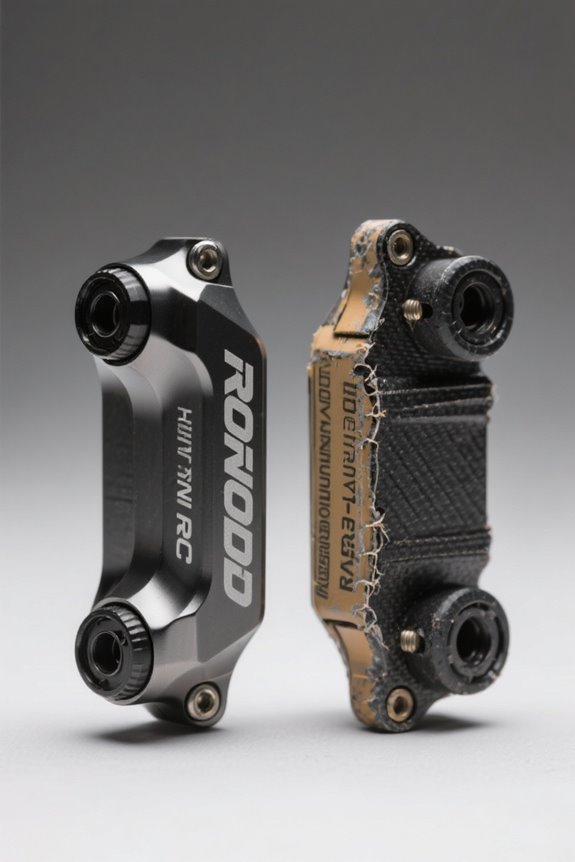
Pricing Analysis helps us identify pricing anomalies. Prices considerably below market average may indicate potential scams, especially if the seller pressures for immediate purchase. Unrealistically low prices without justification require skepticism. Engaging with sellers who resist negotiating or answering product questions can signal hidden quality issues. By monitoring established brand price trends, we can spot abnormal discounting patterns that often correlate with counterfeit products, enabling us to make informed purchasing decisions together. Additionally, understanding the importance of high-quality materials in reputable products can help distinguish genuine items from fakes.
Online Verification Tools and Methods

Overall, using these online verification methods, we safeguard ourselves from counterfeit RC vehicle products, enhancing our buying confidence while adhering to compliance measures. Additionally, it’s crucial to verify the durability and performance of components to ensure you are purchasing genuine products.
Documentation and Certification Checks

We must validate FCC compliance labels on transmitters to confirm adherence to emission regulations. To guarantee certification authenticity, we should request complete type approval certificates and detailed laboratory test reports, matching model numbers to avoid documentation discrepancies. Cross-referencing official certification registries keeps our purchases trustworthy and safe, securing our belonging in the RC community. Furthermore, it’s wise to confirm that the product is constructed from high-quality materials to ensure durability and child safety.
Technical and Component-level Analysis
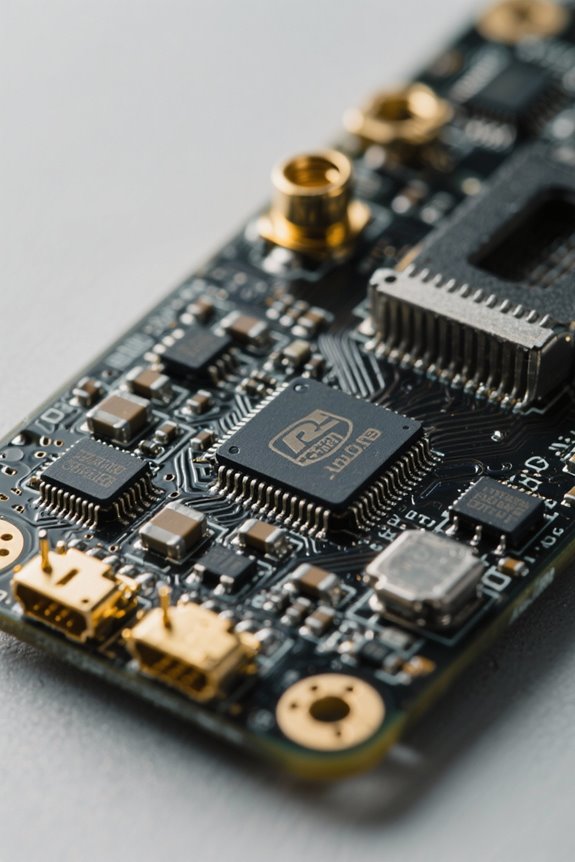
Understanding the intricacies of RC vehicle components can greatly aid in identifying counterfeit products. Material and Build Quality Verification is the first step in this analysis; genuine components utilize high-grade materials, such as metal alloys for axles, sturdy plastics for chassis, and quality rubber for tires. Authentic parts are usually heavier and exhibit smooth surfaces with uniform paint quality. Motor and Electronic Component Authenticity is essential, as original motors and ESCs have identifiable specs, while fake alternatives may underperform. Gear and Drive Train Component Examination guarantees that gears, bearings, and driveshafts are made of durable materials for reliability and efficiency. Additionally, being aware of upgraded aluminum components enhances performance and contributes to selecting genuine parts that improve durability and functionality. By guaranteeing component compatibility and evaluating performance benchmarks, we can confidently choose genuine products that enhance our RC experiences.
Community and Expert Engagement
When considering the authenticity of RC vehicle products, engaging with Community and Expert Engagement can be invaluable. Participating in established RC hobbyist forums and Facebook groups allows us to leverage community contributions, where alerts on counterfeit products and suspicious sellers are frequently posted. Verified user reviews inform us about recurring issues linked to unreliable sellers. Seeking expert feedback through reliable reviewer content, including unboxings and performance tests, highlights discrepancies indicating possible fakes. Additionally, engaging in Q&A threads enables us to validate seller claims about product specifications based on experienced insights. By collaborating with recognized RC organizations, we gain access to certified dealer lists and educational workshops, empowering us to make informed purchases and avoid counterfeit products efficiently. Furthermore, understanding features such as battery life and power considerations can help in differentiating genuine products from imitations.
Recognizing Common Counterfeit Tactics
Counterfeit tactics can greatly undermine the purchasing experience for RC vehicle enthusiasts. Visual and Packaging Inconsistencies are often the first indicators of fake products. We should look for poor-quality printing, blurry logos, or unusual fonts on packaging; these common imitation traits reveal deceit. Pricing and Seller Behavior Red Flags also alert us to possible scams, such as low prices that deviate from typical ranges and sellers requesting payment through unprotected methods. Finally, Product Quality and Technical Discrepancies are essential to recognize. We often experience issues like abnormal noises or poor durability in imitation parts. To summarize, understanding these deceptive packaging strategies and counterfeit behaviors helps guarantee we buy authentic RC products for peak performance and safety. Many authentic RC vehicles, particularly those equipped with brushless motors, offer superior efficiency and durability that fakes can never match.
Understanding Manufacturer Authenticity Standards
Traceability involves authorized sellers maintaining a direct link to verified manufacturers, discouraging unauthorized imports. Additionally, authentic products display unique identifiers, such as chassis and engine numbers, which must match official documents like Registration Certificates. These identifiers enable straightforward verification processes, confirming the product’s authenticity. By understanding these standards, we can confidently select genuine RC vehicles, fostering trust and satisfaction in our purchases. Moreover, recognizing waterproof designs can also help ensure that the truck can withstand various terrains, enhancing its durability.
Utilizing Technology for Counterfeit Detection
As we explore utilizing technology for counterfeit detection, it is crucial to recognize how AI-Powered Visual and Pattern Recognition Technologies enhance our ability to identify fake RC parts. AI algorithms analyze physical data such as size and weight, detecting anomalies that indicate counterfeits. Through image recognition, subtle differences in packaging and engravings become easily identifiable, ensuring authenticity. Blockchain integration provides a transparent supply chain, allowing us to trace each part’s origin, mitigating counterfeit risks. RFID technology enables encrypted data storage within products, facilitating instant authentication via smartphone access. Together, these technologies create a robust defense against counterfeit RC products, improving our confidence in purchases and maintaining the integrity of our beloved RC hobbies. Furthermore, incorporating the latest advancements in all-metal construction can further signify genuine parts, as counterfeit products often compromise on this quality.
Reporting Counterfeit Products and Sellers
When we suspect counterfeit products, understanding the proper channels for reporting them helps guarantee a swift resolution. Utilizing Reporting Mechanisms** involves gathering essential product details, like brand names, model numbers, and purchase receipts, while documenting evidence such as images and packaging inconsistencies. Engagement with Authorities requires us to report suspicious sellers to agencies like the National Intellectual Property Rights Coordination Center or local law enforcement. Online platforms, such as Amazon and eBay, also offer direct reporting systems. Taking Action is imperative; submitting detailed reports increases the likelihood of swift investigations and refunds. By actively engaging with both authorities and platforms, we can collectively combat counterfeit sellers and protect our RC vehicle community. It’s also crucial to familiarize ourselves with durability and build quality** to distinguish genuine products from fake ones.
Frequently Asked Questions
What Are Some Signs of a Counterfeit Product Beyond Visual Inspection?
We can look for signs like poor product reviews and a brand’s reputation that don’t match our expectations. If something feels off or inconsistent, it’s worth investigating deeper before making a purchase together.
How Can I Safely Dispose of Counterfeit RC Products?
When dealing with counterfeit RC products, we can safely dispose by utilizing sustainable recycling methods. Let’s make certain these products don’t return to circulation, embracing our responsibility together for a cleaner, more eco-friendly future.
Are Counterfeit RC Vehicles Harmful to Users?
Yes, counterfeit RC vehicles pose significant health risks, compromising user safety. They’re often made with inferior materials, leading to malfunctions and injuries, especially to children. It’s essential we prioritize safe, genuine products for our enjoyment.
What Should I Do if I Unknowingly Purchase a Counterfeit Item?
Isn’t it ironic that we can unknowingly purchase counterfeits? If we find ourselves in this situation, we need to document everything, follow the return process, and assert our consumer rights to reclaim what’s justly ours.
Can Counterfeit Products Affect the Warranty of Authentic Items?
Yes, counterfeit products can seriously impact warranty implications. We must prioritize authenticity verification when purchasing components, as using non-genuine parts can void our warranties and lead to costly repair expenses we’d prefer to avoid together.


