As an Amazon Associate, we earn from qualifying purchases. Some links on this site are affiliate links at no extra cost to you. Our recommendations are based on thorough research and editorial judgment.


How Do I Know When My RC Vehicle Needs Professional Service?

When our RC vehicle shows mechanical wear, like scratches or cracks, it’s time for service. Battery issues arise if we notice capacity loss or elevated internal resistance. If we experience performance decline, especially reduced power or unstable handling, diagnostics are needed. Maintenance indicators, such as heavy mud or clogged bearings, signal thorough cleaning and greasing. Finally, if we see suspected safety hazards like burnt components or unclear signals, expert assessment is essential for safe operation and performance enhancement.
Key Takeaways
- Seek professional service if you experience persistent loss of controller connection, indicating potential antenna damage.
- Sudden power loss or unusual motor noises require immediate inspection for underlying issues.
- A significant decline in battery performance or capacity signals a need for expert evaluation.
- If the vehicle exhibits handling instability, worn suspension components may necessitate professional assessment.
- Regular monitoring reveals when internal resistance or overheating issues warrant consultation with a technician.
Signs of Mechanical Wear and Damage
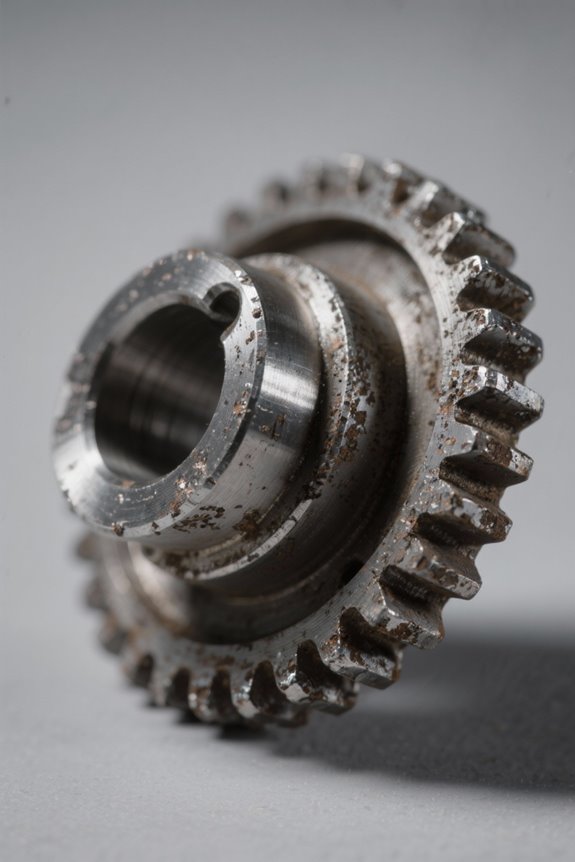
When we assess our RC vehicles, identifying visual indicators of mechanical wear is essential for ensuring ideal performance. Corrosion signs on hinge pins, like rust, can hinder movement and lead to suspension issues. A thorough visual inspection reveals scratches, dents, or bends indicating mechanical stress during use. We should pay attention to wear indicators such as worn ball cups that may feel gritty, suggesting component fatigue. Cracks in plastic parts signify weakened structural integrity and warrant immediate attention. Excessive dirt buildup on moving parts accelerates wear and affects performance. Finally, loose or damaged suspension components can compromise handling, indicating the need for maintenance. Regular checks keep our RC vehicles running smoothly and enhance overall longevity, reinforcing the importance of high-quality materials to ensure durability during operation.
Electronics and Battery Issues

Battery Condition
We must inspect battery types regularly, ensuring they’re charged properly and free from swelling or leaks. Using a voltmeter, we check that NiMH batteries operate between 7.2–9.6V, while LiPo batteries should be within 7.4–14.8V. Damaged batteries should be replaced immediately to maintain safety. It’s important to note that high-performance options like the Zeee 7.4V Lipo Battery can significantly enhance your RC vehicle’s performance.
Wiring and Connections
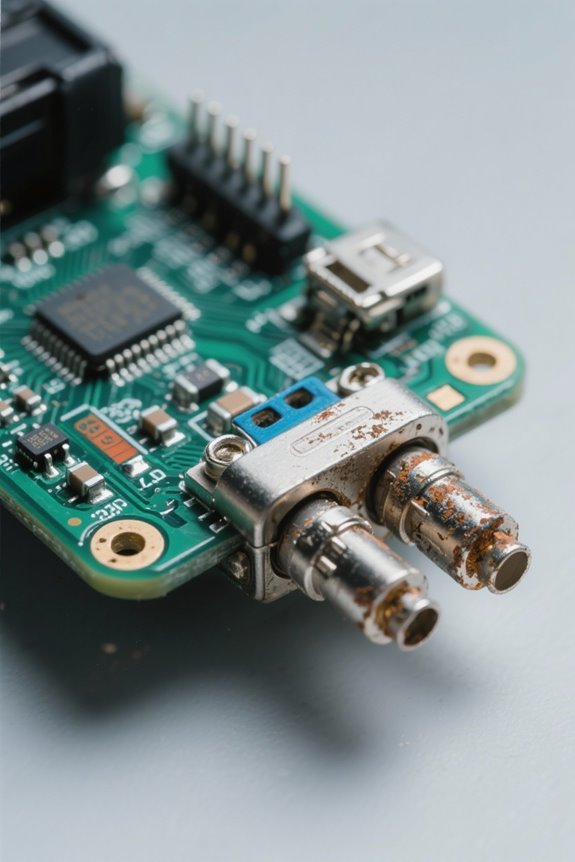
We need to keep circuit boards and wiring intact. Loose or corroded connections can interrupt power. If we find burnt components, professional service is necessary for replacement. Additionally, ensuring the receiver’s antenna is properly positioned helps minimize signal interference, enhancing control range. Regular maintenance can prevent issues and extend our vehicles’ life.
Performance Decline and Handling Problems

As we address performance decline and handling problems, recognizing signs of reduced power, sluggish movement, and handling instability is critical for maintaining our RC vehicles. reduced power may indicate motor or drivetrain issues if we notice decreased speed even with fully charged batteries. We should conduct performance diagnostics to identify potential overheating, which hints at internal friction. handling instability manifests as excessive bouncing, often due to worn shock absorbers. When adjusting handling, verify ride height and preload settings are correct to improve traction. Finally, steering response can falter due to worn gears in the transmission, needing attention. Addressing these issues promptly protects our investment and enhances the performance and enjoyment of our RC experiences. Additionally, regular maintenance practices such as cleaning after each use can prolong the life of components and maintain optimal performance.
Maintenance and Cleaning Indicators

Recognizing maintenance and cleaning indicators is essential for prolonging the life of our RC vehicles and ensuring peak performance. When we notice heavy mud or water exposure, immediate cleaning is vital to protect our equipment. If we operate in dusty conditions, a regular maintenance schedule of at least monthly cleaning helps prevent dirt build-up, especially around bearings. Sticky residues suggest using isopropyl alcohol to safely clean surfaces, while excessive debris in drivetrain components signals the need for a thorough scrub with soft brushes and RC-safe cleaners. If bearings are clogged, disassembling, cleaning, and re-greasing are important steps. Following these cleaning tips not only uplifts performance but also extends the life of our valuable RC vehicles. It is also crucial to consider battery health maintenance as a part of regular servicing to prevent performance issues and increase playtime.
Battery Care Requirements
Battery Care Requirements are vital for enhancing performance and prolonging the lifespan of our RC vehicles. To guarantee battery longevity, we should store LiPo batteries at about 50% charge, around 3.7–3.85 volts per cell, and never fully charge or deplete them. For NiMH batteries, periodic cycle charging during storage prevents memory effect degradation. We must avoid charging below freezing temperatures and keep batteries in a cool, dry place around 20°C for safe storage. Monitoring for physical damage is imperative; swelling or leaks indicate immediate replacement. Using appropriate chargers and maintaining ideal voltage prevents hazards. Following these battery longevity tips not only boosts our vehicle’s performance but also fosters a safer and more enjoyable experience in our RC adventures. Additionally, it’s important to consider the discharge rates of the batteries being used, as higher rates can support immediate power delivery during high-speed driving.
When to Seek Professional Service
How can we identify when our RC vehicle needs professional service? Signal Issues include persistent loss of controller connection, indicating possible antenna damage. Professional assistance is essential for diagnosing wiring faults or corroded connectors. Motor Problems may manifest as sudden power loss or unusual noises; prioritized inspection guarantees optimum performance. Steering Calibration is critical; if we notice a loss of responsiveness or excessive play, it may indicate worn components requiring expert repair. Additionally, Tire Replacement becomes necessary when significant wear affects stability. Seeking assistance promptly prevents further issues, guaranteeing our vehicle operates at its best. If we observe these signs, we should not hesitate to contact a professional for specialized care, preserving the longevity and performance of our RC vehicle. Moreover, understanding the advantages of brushless technology can help ensure we choose the right upgrades when service is necessary.
Inspecting Chassis and Suspension
For Suspension Health, inspecting arms, rods, and shock absorbers is essential. Look for oil leaks or abnormal wear, verifying that springs are intact and properly seated. We must also examine bushings for play, ensuring components move freely. By addressing these areas, we can enhance our vehicle’s durability and performance, minimizing future issues and prolonging its lifespan. Regular inspections foster a sense of belonging in our RC community. Additionally, considering factors like lighting type can significantly improve visibility during nighttime operations, making it safer to navigate uneven terrains.
Checking Electronic Speed Controllers
After verifying the chassis and suspension are in top shape, it’s time to check the Electronic Speed Controller (ESC), an essential component of our RC vehicles. We should look for ESC calibration issues, which can lead to unpredictable throttle responses. Proper calibration involves setting the throttle to max at power-on, then back to min, verifying the ESC accepts the desired throttle range.
Next, we must look for ESC overheating signs. High temperatures may indicate fan failures or insufficient heat sinking, which can damage our ESC. Regularly inspecting the wiring connections and verifying tight connections between the ESC and motor helps avoid power failures. Additionally, maintaining the ESC and its components is crucial for long-term functionality, especially if they are waterproof RC truck electronics designed to withstand various weather conditions. By addressing these checks, we verify our vehicles operate smoothly and extend the lifespan of our equipment.
Monitoring Battery Health
Monitoring the health of our RC vehicle’s battery is essential for ideal performance and safety. Internal Resistance (IR) serves as a key indicator of a battery’s lifespan, as it tends to increase with age, reflecting degradation. An IR value rising 2-3 times its original measurement suggests considerable decline, while values above this indicate it’s time to replace the battery. Battery Capacity is another critical performance metric. If a battery holds considerably less charge compared to when it was new, professional service may be needed. Testing capacity with specialized battery testers while monitoring runtime under standard loads helps us gauge performance decline. Additionally, regular maintenance such as monitoring heat during operation can help prevent overheating and prolong battery life. By keeping track of these factors, we maintain our RC vehicles at peak performance and safety on every adventure.
Diagnosing Power Output Issues
Diagnosing power output issues is essential to ensuring ideal performance of our RC vehicles, especially when they start showing signs of sluggishness or erratic behavior. Battery and Power Supply Issues often lead the charge in this diagnosis, as low or dead batteries can greatly reduce power output, resulting in poor motor performance or complete inactivity. We should use a voltmeter to check battery voltage against the specified levels—7.2V to 9.6V for NiMH and 7.4V to 14.8V for LiPo. Next, we need to examine wiring issues; this involves checking for damaged wires and ensuring all connections are secure and free of corrosion. Additionally, ensuring that the battery capacity and discharge rates are adequate for your vehicle’s needs can help diagnose performance issues. By addressing these areas, we can restore prime power supply and performance to our vehicles.
Evaluating Suspension Performance
Evaluating suspension performance is key to maintaining control and handling in our RC vehicles, particularly in challenging environments. Suspension Component Wear should be our first focus; checking for bent or cracked suspension arms is essential, as these issues can severely hinder handling stability. Additionally, we should inspect for leaking shock absorbers, which are significant wear indicators that reduce damping efficiency. Next, we need to observe worn bushings or loose ball joints, as these cause unpredictable suspension movement. Finally, tuning the suspension by adjusting ride height and spring stiffness optimizes handling, ensuring we can tackle rough terrain confidently. Regular inspection and maintenance keep our vehicles responsive, enhancing safety and overall performance when we’re out on the track.
Recognizing Cooling System Problems
How can we tell if our RC vehicle’s cooling system is running into trouble? Coolant Leaks: We should look for bright green, orange, or pink puddles under our vehicle, as these could indicate Coolant Leaks. A sweet smell from the engine compartment may accompany these leaks. Overheating Symptoms: If our engine temperature readings run higher than usual or fluctuate while driving, that’s a clear sign of potential overheating due to clogged radiators or faulty components. Unusual Noises: Gurgling or bubbling sounds in the engine area often signal air trapped in the system, risking reduced coolant circulation. By recognizing these issues early, we can prevent serious damage and guarantee our vehicle operates efficiently on every adventure.
Identifying Potential Safety Hazards
While evaluating our RC vehicle’s safety, it’s essential to identify potential hazards that might compromise operation and cause accidents. Mechanical Damage Indicators: We should inspect for visible cracks or breaks on the chassis or suspension components, which signal structural compromise and can lead to failure during use. Electrical System Warning Signs: We must look for frequent loss of power or unusual overheating, indicating wiring or battery faults. Battery and Fuel System Hazards: Swollen or leaking batteries present serious explosion risks. Safety Control Failures: Malfunctioning brakes or throttle issues can lead to accidents. Performing regular safety inspections enhances hazard awareness, ensuring we’re aware of risks and maintaining our vehicle’s reliability on the track, safeguarding both ourselves and others.
Frequently Asked Questions
How Often Should I Bring My RC Vehicle for Professional Servicing?
We should aim for professional servicing every 5,000 to 10,000 miles, following maintenance frequency and service intervals recommended by manufacturers. This helps us guarantee our RC vehicles run smoothly and safely for every adventure.
Can I Perform Repairs Myself to Save Money?
Absolutely, we can tackle DIY repairs as cost-saving techniques! However, let’s be mindful of complex issues; knowing our limits helps us avoid costly mistakes. Together, we can keep our RC vehicles running smoothly!
What Are Common Misconceptions About RC Vehicle Maintenance?
We’ve all heard common myths about RC vehicle maintenance. By following essential maintenance tips, like proper cleaning and battery care, we can guarantee our machines run smoothly and last longer, keeping our hobby enjoyable and cost-effective together.
How Do I Choose a Reliable RC Vehicle Service Provider?
To choose a reliable RC vehicle service provider, let’s conduct a reputation check, review service guarantees, and connect with our community’s experiences. Together, we’ll make sure our vehicles receive the quality care they deserve!
What Are the Risks of Ignoring Small Mechanical Issues?
Ignoring small issues can lead to long-term damage for our RC vehicles. We risk costly repairs and reduced performance, ultimately compromising our experience and enjoyment. Let’s prioritize maintenance, ensuring our vehicles stay reliable and fun to drive.