As an Amazon Associate, we earn from qualifying purchases. Some links on this site are affiliate links at no extra cost to you. Our recommendations are based on thorough research and editorial judgment.


What Are The Best Battery Management Tips?

To manage batteries effectively, we should adopt several key practices. Optimal Charging, like maintaining charge levels between 20% and 80%, helps reduce voltage strain. Storage Conditions recommend temperatures between 15°C and 25°C, alongside 30%-50% humidity, ensuring battery health. Safety Protocols entail wearing PPE and avoiding metal jewelry during handling. Finally, Monitoring Age through State of Health assessments can guide maintenance decisions. By following these guidelines, we enhance battery life and performance, so let’s explore more strategies together.
Key Takeaways
- Maintain battery charge levels between 20% and 80% to slow degradation and enhance cycle life.
- Store batteries in a cool, dry place with stable temperatures and humidity between 30% and 50%.
- Use high-quality, compatible chargers and balance chargers for LiPo batteries to optimize performance and safety.
- Regularly assess battery age and health, focusing on metrics like capacity fade and internal resistance.
- Follow proper disposal guidelines and participate in recycling programs to minimize environmental impact.
Optimal Charging Practices
When it comes to Optimal Charging Practices, we should aim to maintain our batteries’ health by keeping their charge levels between 20% and 80%. This range minimizes voltage strain and slows chemical degradation, ensuring our batteries last longer. By avoiding regular full charges or deep discharges below 10%, we promote charging efficiency.
While charging, we should prefer slow to moderate speeds, utilizing Level 1 or Level 2 chargers, as they create less heat and stress on the battery. Additionally, employing high-quality chargers designed for our specific battery chemistry improves voltage management, preventing overcharging and overheating. For longevity, maintaining a peak charge voltage around 3.92V can appreciably double our batteries’ cycle life, which we can achieve without sacrificing too much capacity. Moreover, using specific balance chargers designed for LiPo batteries can enhance safety during the charging process.
Storage and Environmental Conditions
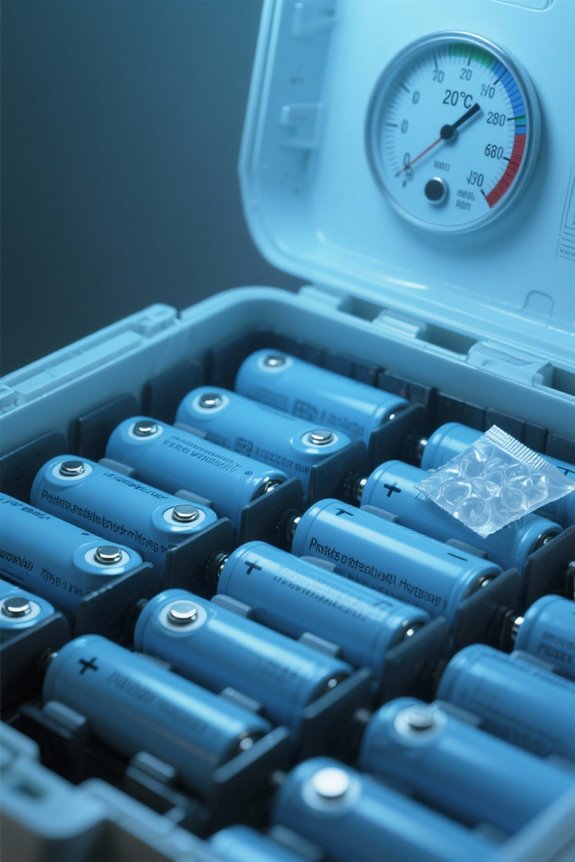
Proper battery storage is an often-overlooked aspect of battery management that can greatly impact performance and longevity. Temperature Control is vital; the ideal storage temperature range for most batteries is between 15°C and 25°C (59°F to 77°F). Extreme temperatures can greatly impair functionality and lifespan. Humidity Control should be maintained between 30% and 50% to minimize corrosion risks. High humidity promotes corrosion and short circuits, while low humidity accelerates seal aging and leakage. Ventilation is essential; well-ventilated areas prevent heat buildup and hazardous gas accumulation. Finally, storing batteries away from direct sunlight and moisture sources, along with proper segregation, guarantees long-lasting battery health. Additionally, ensuring that batteries are charged to approximately 50% charge before storage can prevent cell damage and enhance their longevity. By following these guidelines, we can enhance our batteries’ performance and overall durability.
Battery Handling and Safety

Battery handling and safety are critical components of effective battery management, as mishandling can lead to serious injuries and reduced battery performance. Personal Protective Equipment (PPE) is vital; chemical splash goggles and face shields protect our eyes and face from acid splashes. To prevent skin contact, we should wear acid-resistant gloves, aprons, and boots. Safe Handling and Lifting Practices involve using proper techniques and mechanical aids for heavy batteries, confirming they’re transported upright to avoid leaks. Electrical Hazards require us to disconnect negative cables first, avoid metal jewelry, and use insulated tools. By understanding different battery types and consistently wearing appropriate safety gear, we minimize risks and confirm our safety while handling batteries.
Battery Chemistry and Device-Specific Recommendations

Choosing the right battery types can considerably impact overall device efficiency and user satisfaction. Additionally, understanding discharge rates is crucial as it affects the performance and handling of devices in demanding scenarios.
Battery Maintenance and Usage Tips
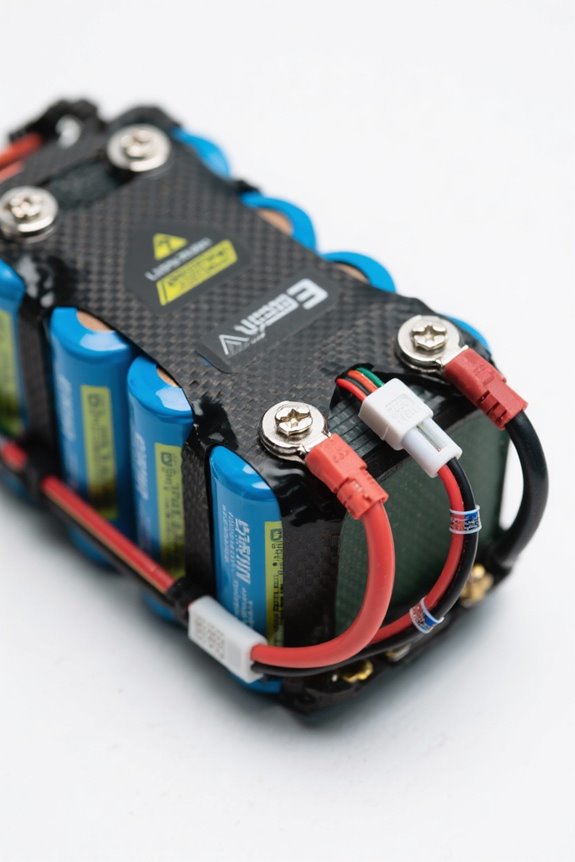
By incorporating these practices, we can maximize battery lifespan and reliability, ensuring ideal performance in our devices. Proper attention to voltage compatibility and maintaining the appropriate battery configuration will help prevent damage and optimize performance during use.
Fire Prevention and Emergency Preparedness
While technology continues to advance, the fire risks associated with lithium-ion batteries demand our immediate attention. Fire Risks and Characteristics are crucial to understand; for instance, an average of 19.4 lithium-ion battery fires are reported annually in Massachusetts, with recent tracking revealing numbers that are more than double in just six months. We must prioritize Fire Risk Management by implementing proper storage solutions, limiting potential thermal runaway incidents, and ensuring safe handling protocols. Additionally, Emergency Response Preparedness is essential; organizations should regularly update fire assessments and train staff on lithium-ion battery behaviors. Knowing the differences in fire suppression techniques is imperative, as traditional methods may prove ineffective due to the unique nature of battery fires, ultimately ensuring safer environments for everyone. Furthermore, recognizing the importance of battery maintenance can help extend the lifespan and safety of lithium-ion batteries, reducing the likelihood of incidents.
Importance of Regular Discharge and Recharge Cycles
Understanding Regular Discharge and Recharge Cycles** is essential for maximizing battery longevity and performance. By maintaining appropriate discharge patterns, we can enhance cycle life considerably. For instance, managing depth of discharge (DoD) to around 20% rather than 100% can extend Li-ion battery cycles from hundreds to thousands. Additionally, smart recharge timing after partial discharges reduces stress within battery cells, allowing for improved performance. Incorporating realistic discharge profiles, like those simulating real-world driving, helps minimize degradation over time. Implementing these practices not only keeps our batteries performing at their best but also offers a sustainable approach to battery usage. Ultimately, thoughtful management of discharge and recharge cycles allows us to achieve peak battery health and longevity. Moreover, following specific battery care guidelines** can further optimize the performance and lifespan of your RC tank batteries.
Utilizing Device-Specific Chargers
Charging Efficiency is improved through integrated circuitry, which manages parameters dynamically, ensuring safe and effective charging. These chargers prevent excessive current flow and overheating, fostering a longer battery lifespan. By leveraging these dedicated chargers, we experience fewer replacements and maintain operational performance, ensuring our devices remain reliable. Ultimately, choosing device-specific chargers is essential for our battery management strategy. Additionally, opting for high-quality materials in battery components can also contribute to overall longevity and efficiency.
Protecting Batteries During Long-Term Storage
Temperature Control for Long-Term Storage is vital if we want to effectively preserve battery health during extended idle periods. By storing batteries in a cool, dry environment, ideally between 5°C and 25°C (41°F to 77°F), we can greatly slow degradation. Avoiding direct sunlight and heat sources further enhances thermal management, reducing thermal stress on the batteries. A well-ventilated storage area is essential to dissipate heat and limit flammable gas buildup. Maintaining batteries at a 40-60% state of charge** prevents chemical instability during storage. Using specialized battery storage containers helps shield against short-circuits and moisture, ensuring their safety and longevity. Additionally, it is recommended to consider the battery life and duration for the best performance during operational use. By implementing these strategies, we cultivate a reliable environment** for our batteries when they’re not in active use.
Monitoring Battery Age and Lifespan
Monitoring battery age and lifespan is essential for maximizing performance and safety. Battery State of Health (SOH) reflects its overall condition, indicating how capacity and internal resistance change over time. Regular battery diagnostics allow us to assess SOH through metrics such as capacity fade and internal resistance increase, serving as critical age indicators. By employing smart Battery Management Systems (BMS), we can utilize electrochemical model-based observers to maintain ideal operating limits. This proactive approach not only extends battery lifespan but also supports warranty and reuse decisions. Conducting visual inspections for signs of aging, such as swelling or discoloration, complements the equipment-based assessments, ensuring we catch potential failures early. Together, these practices help enhance our overall battery management strategy. Additionally, employing high-quality components like rubber sealed ball bearings can improve the efficiency of battery-powered systems, reducing wear and enhancing longevity.
Safe Disposal and Recycling of Used Batteries
When we consider the importance of safe disposal and recycling of used batteries, we must acknowledge the potential environmental hazards posed by improper practices. Regulatory Framework guarantees that many countries have stringent regulations governing battery disposal, aimed at preventing soil and water pollution. Utilizing designated recycling programs helps ascertain that batteries are properly processed, minimizing toxic leaks and preserving valuable materials. Collection Programs at retail stores and recycling facilities facilitate safe drop-offs, reinforcing community efforts. Public awareness campaigns increase participation in battery recycling initiatives, addressing the environmental impact of discarded batteries. By participating in these programs, we enhance our collective responsibility to protect the environment while promoting sustainable practices that reduce harmful waste and conserve natural resources.
Training and Safety Protocols for Battery Management
Training and safety protocols for battery management are essential to ensuring a secure working environment, especially as we handle lithium-ion batteries, which carry specific hazards. Hazard Recognition involves detailed instruction on fire risks, thermal runaway, and toxic gas emissions, allowing us to identify potential dangers before they escalate. Emergency Response Procedures train personnel to act swiftly in incidents, such as spill containment and effective fire response strategies, minimizing harm and damage. PPE Requirements mandate the use of electrical hazard-rated gloves, footwear, and safety goggles to protect us during battery operations. Proper Storage Techniques, which include maintaining cool, dry conditions and avoiding overcharging, help further mitigate risks. By adhering to these protocols, we foster a safer community for everyone involved.
Frequently Asked Questions
What Signs Indicate a Battery Needs Replacement?
We should be aware that signs like slow starts, dim lights, and corrosion indicate our battery’s performance decline. If it’s older than five years, we might want to contemplate a replacement for better battery life.
How Do I Know When My Battery Is Fully Charged?
When our battery indicators glow green, it’s like a beacon of readiness, signaling the end of charging cycles. We can trust those signs for a fully charged battery, ensuring our power’s primed and ready!
Can I Mix Different Battery Chemistries in My Device?
We shouldn’t mix different battery chemistries in our devices, as battery compatibility is essential. Doing so can disrupt charging cycles, leading to performance issues and safety hazards we all want to avoid together.
What Are the Risks of Overcharging Batteries?
Overcharging batteries can risk overheating issues and battery swelling, leading to serious safety hazards. We’ve all faced diminished performance and shortened lifespans from this, so it’s essential we pay attention to our charging habits.
How Can I Extend My Battery’s Overall Lifespan?
To extend our battery’s overall lifespan, we should focus on effective battery maintenance by keeping charge cycles between 25% and 85%. This mindful practice greatly enhances longevity and helps us all enjoy longer-lasting performance.