As an Amazon Associate, we earn from qualifying purchases. Some links on this site are affiliate links at no extra cost to you. Our recommendations are based on thorough research and editorial judgment.

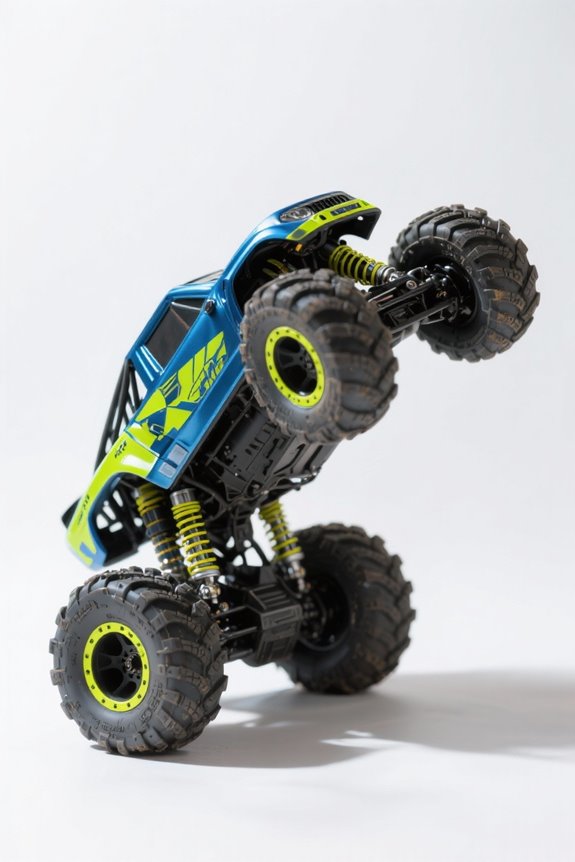
Are There Age Restrictions For Different RC Vehicle Types?

Yes, there are age restrictions for different RC vehicle types. Age Recommendations indicate that models are designed for specific age groups, from toddlers to pre-teens, ensuring appropriate skill levels. Safety Concerns include choking hazards and battery safety for younger users, while supervision is vital for safe operation. Manufacturer Guidelines specify minimum ages and suggest secure battery compartments. Addressing these factors is essential for promoting safe and enjoyable experiences. Let’s explore further dimensions and implications of these age restrictions.
Key Takeaways
- Manufacturers often specify minimum age recommendations for RC vehicles, typically starting from age 3 and older.
- RC cars for toddlers (2-4 years) prioritize safety and durability with limited controls.
- Competitive RC racing prioritizes skill level over age, with categories for different racing skills.
- Advanced RC models are more suited for pre-teens (9-12 years) due to increased complexity and speed.
- Supervision is crucial for young children to ensure safe operation and adherence to age guidelines.
Age Recommendations for RC Cars
Age Recommendations for RC Cars: Age-appropriate RC vehicles play an essential role in ensuring safe and effective usage for children. Toddlers (2-4 years) benefit from simple, durable models designed for basic motor skills development, featuring large buttons for easy navigation. Young Children (3-5 years) engage with beginner cars that prioritize ease of use, limited controls, and robust construction. Early Elementary (6-8 years) introduces moderate-speed models with basic stunt functions, tailored to enhance their developing coordination. Pre-Teens (9-12 years) enjoy advanced options, with improved steering and off-road capabilities that align with their growing skill sets. These age-appropriate models follow development milestones precisely, ensuring an enjoyable and safe experience as children explore the world of RC cars while honing their abilities. Additionally, considering performance enhancements can lead to more engaging experiences as children increase their control over the vehicle.
Safety Concerns for Young Children Using RC Vehicles
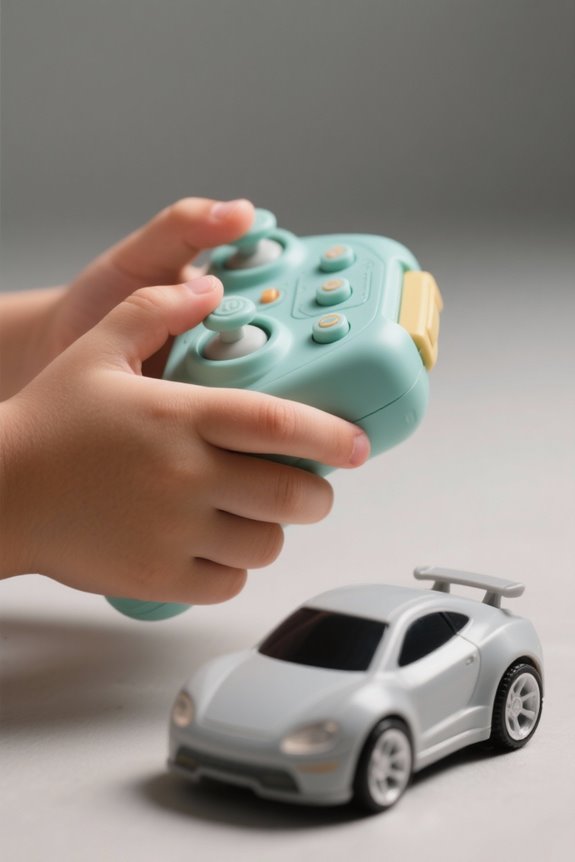
When it comes to using RC vehicles, safety concerns for young children are paramount. Choking Hazards from small parts can pose significant risks, particularly for those under age 3. For instance, components detach easily and can inadvertently be swallowed, highlighting the need for strict age-appropriate labeling on packaging. Battery Safety is also vital; lithium polymer batteries must be securely locked to prevent access by young hands. Additionally, removing batteries when toys aren’t in use minimizes risks of overheating or accidental activation. Supervision is essential, ensuring children play in safe environments, free from hazards. These considerations help us protect our little ones from choking risks and accidents, promoting enjoyable and safe experiences with RC vehicles. It’s crucial to consider that models like the Traxxas X-Maxx have advanced safety features that enhance their overall usability for older children and enthusiasts.
Age Restrictions in Competitive RC Racing
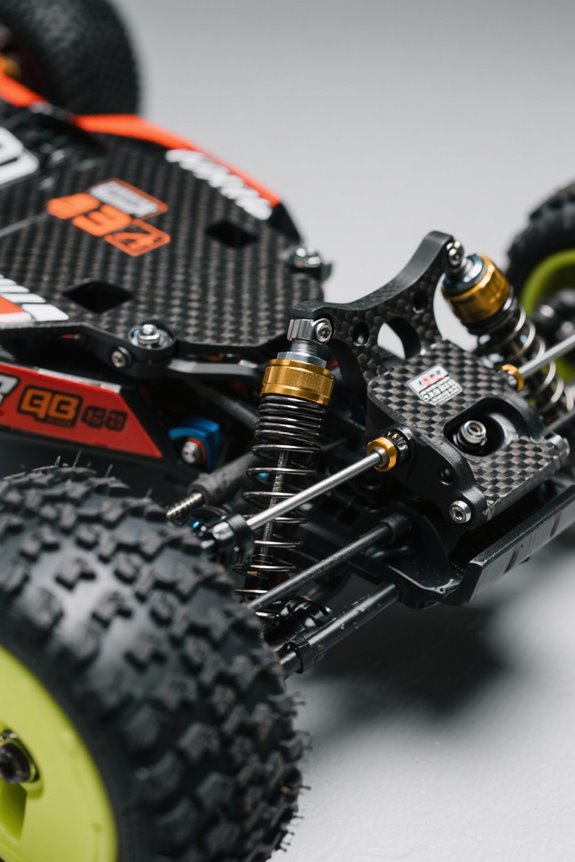
In competitive RC racing, age restrictions aren’t as stringent as one might expect, since most organizations prioritize skill over age. Age Categories for racers typically range from late teens to drivers in their 60s, with younger participants often excelling due to quicker reaction times. Class Divisions provide opportunities for drivers of all ages, with divisions based on skill levels—such as novice, intermediate, and advanced—rather than strictly on age. While some youth-specific events may enforce minimum age qualifications for safety, the overall competitive guidelines focus on skill and experience. As a result, all eligible participants can enjoy the thrill of racing, regardless of age, fostering an inclusive environment where both young and seasoned racers can thrive and compete effectively. Additionally, many successful racers often invest in advanced suspension systems to enhance their vehicle’s performance on challenging tracks.
Manufacturer Guidelines for Different RC Types

Understanding the Manufacturer Guidelines for Different RC Types is essential for ensuring safety and proper use across various age groups. Age Recommendations often specify minimum ages, such as 3 years and older for RC cars, due to small parts posing choking hazards. Safety Features, including covered battery compartments, are designed to protect younger users from injuries, enhancing user experience and safety. Ride-On Cars cater to ages 3 to 10, emphasizing suitable weight limits and speeds to match children’s abilities. RC Aircraft Guidelines suggest 10 years and up for beginners, highlighting manufacturer features that align complexity with skill levels. User reviews can help guide our decisions, ensuring we choose appropriate models, enhancing the joy of our RC experience while prioritizing safety. Upgrading parts, such as high-quality materials, can significantly improve the durability and performance of RC vehicles suited for different age groups.
Importance of Supervision While Using RC Vehicles

Supervising children while they’re using RC vehicles is essential for both safety and skill development. Safety Assurance involves monitoring play areas to minimize the risk of injuries from fast or heavy vehicles potentially colliding with people or objects. By having adult oversight, we can quickly identify hazards like uneven terrain or water bodies, guaranteeing safe play. Skill Enhancement arises from guidance, as we teach proper controller use that improves precision and coordination. Ongoing supervision verifies adherence to age guidelines for each vehicle type, preventing unsuitable use. The supervision benefits also extend to fostering cooperation and shared enjoyment, while offering real-time feedback. Together, we guarantee safe experiences while enhancing our children’s abilities and confidence with RC vehicles. Additionally, understanding the importance of build quality in RC models can help parents make informed choices.
Regulatory Variations by State for RC Vehicles
As we explore the regulatory framework for RC vehicles, it is essential to highlight that oversight differs considerably from state to state. State Laws typically lack explicit age restrictions for small consumer RC vehicles like toy cars and drones. While many focus more on motorized vehicles and ATVs, some states have implemented age recommendations tied to power and speed instead of strict legal limits, leaving supervision to parents and manufacturers. For instance, Consumer Safety in places like New York proactively addresses hazardous components in RC toys through recall enforcement. Additionally, many parents consider the advanced braking system when selecting RC motorcycles for their children to ensure safety during operation. Overall, we find that regulatory variations help guarantee safety and appropriateness, reflecting a community effort to protect users while allowing for creativity and play with RC toys.
Comparing Age Limits Across Various Vehicle Types
When comparing age limits across various vehicle types, it’s important to recognize that different designs suit distinct developmental stages. Age Recommendations for RC cars suggest that children aged 2-4 should start with simple one-button control models, which are larger and softer, ensuring safety while accommodating their limited motor skills. vehicle types for toddlers typically include ride-on toys like balance bikes, emphasizing gross motor skill development, while children aged 3-5 are better paired with electric ride-on cars featuring basic controls and parental overrides for safety. As kids progress to ages 5-8, they can handle more complex RC vehicle types, allowing for skill enhancement. Finally, those 9 and older can shift to hobby-grade vehicles, offering greater speed and control. For example, many remote control fire trucks incorporate features that are ideal for younger children, blending safety with interactive play.
Frequently Asked Questions
Can I Modify an RC Vehicle for Younger Children?
Absolutely, we can modify RC vehicles for younger children! By keeping young user guidelines in mind, like speed limits and simplifying controls, we guarantee safe, enjoyable experiences, helping our kids thrive in their playtime adventures.
What Are the Best RC Vehicles for Beginners?
Like a budding garden, we flourish together with beginner RC vehicles that invite us in—affordable options like Traxxas Slash and BEZGAR HP161S nurture our skills, helping us grow and thrive in this exciting hobby.
Are There RC Vehicle Clubs for Kids?
Yes, there are kid-friendly clubs that foster fun and learning! These clubs often have racing rules tailored for younger drivers, allowing kids to socialize, develop skills, and experience the joy of RC vehicle racing together.
How Can I Encourage My Child to Race RC Cars?
To encourage our child to race RC cars, we’ll use motivation techniques like rewarding progress and sharing racing tips. Let’s create a supportive environment that fosters confidence, teamwork, and a sense of belonging in the racing community.
What Safety Gear Is Recommended for RC Car Racing?
For RC car racing, we recommend using essential safety equipment like quality helmets, protective clothing, and gloves. At the same time, ensuring our gear meets safety standards helps us all feel secure while enjoying the thrill together.


