As an Amazon Associate, we earn from qualifying purchases. Some links on this site are affiliate links at no extra cost to you. Our recommendations are based on thorough research and editorial judgment.


What Are The Most Common Beginner RC Vehicle Mistakes?

When starting with RC vehicles, we often make mistakes in Power and Control, like not powering the transmitter first, leading to erratic signals. We might overlook Equipment Setup, failing to check screws or tire assembly, which impacts performance. Ignoring Maintenance can reduce longevity, while improper Battery Management, such as over-discharging or incorrect charging, may harm batteries. Finally, choosing unsuitable driving environments can result in damage. Understanding these aspects can enhance our experience greatly, and there’s more to explore.
Key Takeaways
- Neglecting the power-on sequence, like starting the vehicle before the transmitter, can lead to erratic control signals.
- Failing to check chassis screws and tire fitment may result in misalignment and handling issues.
- Ignoring regular maintenance, such as charging and cleaning batteries, shortens the lifespan of the RC vehicle.
- Using an incompatible battery can cause performance problems; always verify C-rating and voltage specifications before use.
- Driving on unsuitable terrain can lead to excessive wear and damage; initially maintain a controlled speed of 10-15 mph.
Power and Control Mistakes
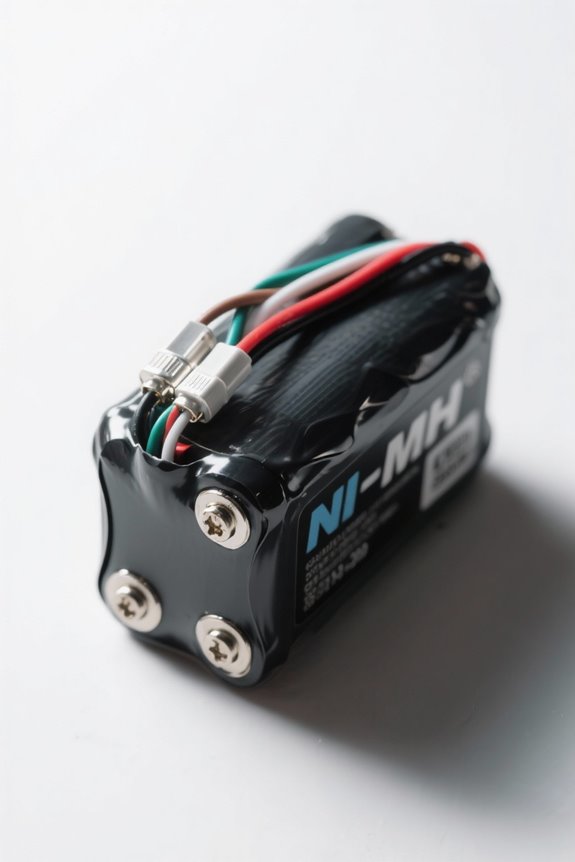
Power and Control Mistakes often arise in the beginner RC experience, especially when we overlook foundational elements like battery selection and transmitter operation. Using weak or improperly installed batteries often leads to power loss and control failure, making it essential to check battery specifications and connections. Starting the vehicle before powering on the transmitter results in erratic control signals, leading to unpredictable movements. We must guarantee a proper power-on sequence, turning on the transmitter first to stabilize the system. In addition, choosing overly powerful models can overwhelm beginners, resulting in frequent crashes and loss of control. By selecting appropriate vehicles and carefully managing our power sources, we can enhance our control, thereby creating a more enjoyable and successful RC experience.
Using a high-quality battery like the Zeee 7.4V Lipo Battery can significantly improve performance thanks to its discharge rate of 50C, allowing for quick bursts of power when needed.
Equipment Setup and Checking Errors

After establishing foundational power and control, we must now address Equipment Setup and Checking Errors, which play a significant role in ensuring peak performance.
Hardware Inspection: It’s essential to check 12-15 critical chassis screws, ensuring they’re just past snug to avoid stripping. This prevents issues like motor misalignment and suspension binding due to vibration.
Tire Assembly: Verify that tire beads sit evenly on rims, as improper fitment can degrade handling. Use high-quality tire glue for secure adhesion and tighten wheel nuts according to manufacturer specs, avoiding wheel separation. Additionally, ensuring proper material quality in tires can significantly enhance durability and performance.
Ignorance of Instructions and Proper Maintenance

Finally, proper storage prevents corrosion and electronic failure, ensuring our RC vehicles remain reliable for future adventures. Regular maintenance, including battery charging and cleaning, can also prolong the life of your RC truck. Together, we can optimize our RC experiences!
Battery and Power Management Faults

Battery and Power Management Faults
Getting battery management right is essential for our RC vehicles’ performance and longevity. For battery charging**, we must use balance chargers for multi-cell LiPos, ensuring even voltages and preventing damage. Voltage management is key; discharging batteries below 3.0 volts per cell leads to permanent damage and reduced capacity. When it comes to temperature control, we should never charge hot batteries or operate in extreme conditions, as this accelerates wear and safety risks. Proper storage practices involve keeping batteries at around 3.85V per cell for long-term health and preventing over-discharge. Finally, always check system compatibility, ensuring batteries meet the required C-rating and voltage specifications to avoid performance issues and potential hazards. Choosing batteries with smart capabilities** can further enhance monitoring and efficiency, ensuring optimal performance during use.
Driving Environment and Placement Mistakes
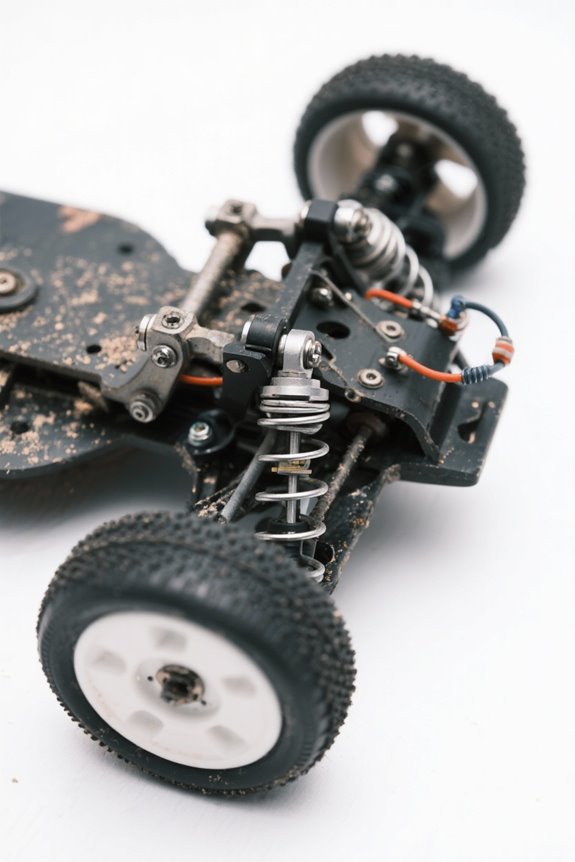
When we drive our RC vehicles, the driving surface and terrain mismatch can greatly impact performance and lead to damage. Driving on unsuitable terrain, such as mud or sand, can compromise components, leading to excess wear. Practicing terrain awareness means inspecting surfaces; fine sand can act like sandpaper, while mud creates friction that stresses parts. Additionally, utilizing a proper placement strategy helps us avoid busy areas that increase collision risks. Placing our vehicles in safe zones, away from active paths, reduces the likelihood of accidents. Before each session, let’s check for hazards, ensuring we maintain control while adapting our driving speed, ideally to 10-15 mph initially. This careful consideration prolongs vehicle longevity and enhances our overall driving experience. Remember, understanding the high-speed capabilities of your model can also inform your driving approach on different terrains.
Financial and Upgrading Errors
Choosing the right vehicle matters too; a mismatch with our environment incurs extra maintenance costs. Following a thoughtful upgrade strategy is essential; premature upgrades can lead to incompatibility and wasted funds. Incremental upgrades, based on experience, often enhance affordability and understanding of our vehicle’s capabilities. In addition, we must allocate funds for essential repairs and spare parts to avoid downtimes. By managing costs wisely, we can enjoy this hobby without financial strain. Additionally, regular maintenance checks for battery compatibility can significantly extend the lifespan of our RC vehicles and minimize unexpected costs.
Frequently Asked Questions
How Do I Choose the Right RC Vehicle for My Skill Level?
To choose the right RC vehicle, let’s assess our skill levels and explore different vehicle types. We’ll find beginner-friendly options that match our experience, ensuring more fun and less frustration as we navigate the hobby together.
What Are Common Indicators of RC Vehicle Damage?
When we spot a cracked frame or a twisted chassis, we realize our beloved RC isn’t just showing off its battle scars; it’s crying for help! Let’s make sure our rides stay healthy and happy.
How Often Should I Perform Maintenance on My RC Vehicle?
We should stick to a regular maintenance schedule, cleaning after every run and doing deeper servicing every 10-20 runs. Following these performance tips helps us keep our RC vehicles in top shape and prevents issues.
What Is the Best Way to Learn Advanced RC Driving Techniques?
To learn advanced RC driving techniques, we should practice precision maneuvers in controlled settings. Focusing on advanced control through targeted drills and engaging with others will substantially boost our skills and build our confidence as drivers.
Can I Use Regular Batteries for My RC Vehicle Instead of Specialized Ones?
No, we can’t use regular batteries for our RC vehicles; battery compatibility is essential. Using non-specialized batteries greatly impacts performance and can damage our vehicles, so let’s stick to the right options for best results.