As an Amazon Associate, we earn from qualifying purchases. Some links on this site are affiliate links at no extra cost to you. Our recommendations are based on thorough research and editorial judgment.

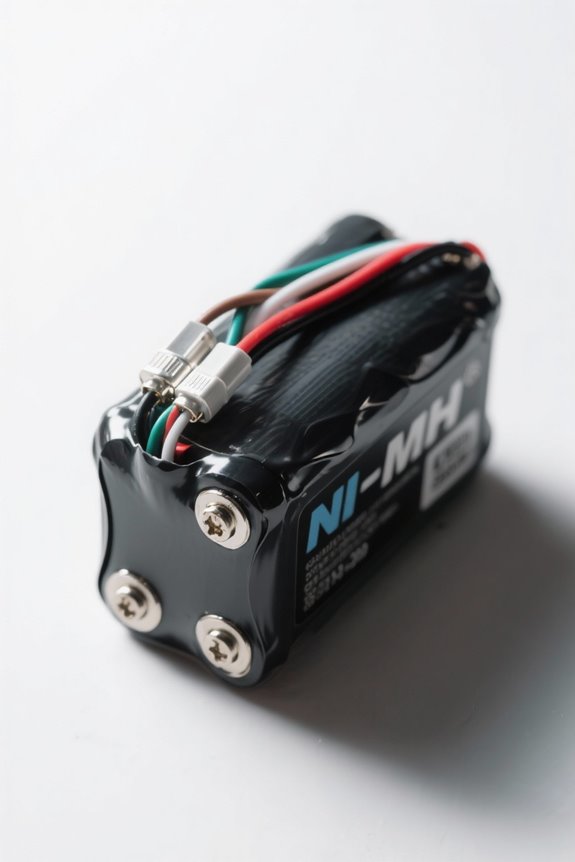
How Long Do RC Vehicle Batteries Typically Last For Beginners?

RC vehicle batteries typically last between 15 to 45 minutes per charge, depending on the battery type and driving conditions**. LiPo batteries with 4000mAh capacities can provide up to 35-45 minutes on smooth surfaces, while 5000mAh packs usually offer about 15-30 minutes**. Driving styles greatly affect runtime; aggressive driving can greatly reduce it. Understanding these specifications helps us maximize battery life for peak performance. Want to enhance your battery knowledge? There’s more to explore.
Key Takeaways
- RC vehicle batteries typically last between 15 to 30 minutes per charge for beginners, depending on various factors.
- Using larger capacity batteries, like 5000mAh, may yield runtimes closer to the higher end of the spectrum.
- Smooth driving on flat surfaces can significantly extend battery life compared to aggressive driving or rough terrains.
- Motor efficiency, particularly with brushless motors, can provide 25-40% longer runtimes for beginners.
- Proper charging practices and battery care are crucial for maintaining optimal battery performance and longevity.
Understanding RC Vehicle Battery Lifespan
Understanding RC Vehicle Battery Lifespan****
When we explore battery technology, it’s essential to recognize how various factors impact our vehicles’ performance metrics. For beginners, runtime expectations often range from 15 to 30 minutes per charge, depending primarily on battery capacity and current draw. For instance, a 5000mAh battery at a 10-amp draw delivers roughly 30 minutes. It is understood that larger capacities generally increase weight but extend runtime. Additionally, the kind of batteries we choose affects longevity—LiPo packs deliver power efficiently but require careful maintenance to achieve their 150 to 300 cycles. On the other hand, NiMH batteries, while bulkier, are more forgiving. Understanding these characteristics helps us make informed decisions and enhances our overall RC experience. Moreover, choosing the right upgrade parts, such as suspension upgrades, can further enhance battery efficiency by improving handling and reducing strain on the power source.
Battery Cycle Count and Lifespan Factors

While we navigate the world of RC vehicle batteries, it’s crucial to grasp the concept of battery cycle count as it serves as a foundational measurement for estimating battery lifespan. battery cycle count tracks complete charge and discharge cycles, where one cycle might consist of several partial discharges. Maintaining awareness of cycle count is important for effective cycle management, which impacts overall battery longevity. Depth of Discharge (DoD) greatly affects cycle life; using 30-40% DoD can greatly prolong battery performance compared to complete discharges. Adopting careful battery chemistry practices and avoiding extremes in charging can enhance battery health. Monitoring cycle counts, combined with proper storage conditions, guarantees we maximize our batteries’ useful life and keep our RC vehicles performing at their best. Additionally, choosing batteries with a high energy density can significantly improve runtime and overall performance during operation.
Typical Lifespan Range of Different Battery Chemistries
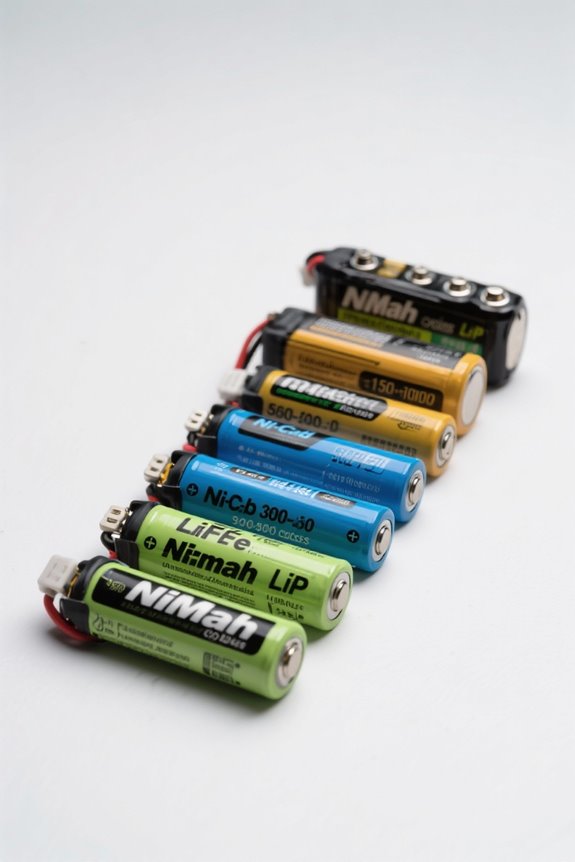
When we explore the typical lifespan range of different battery chemistries****, it’s important to note the significant variation in durability and performance characteristics.
Nickel-Metal Hydride (NiMH) batteries typically last 300 to 500 full charge cycles, making them robust and safe for beginners, with a lifespan of around 1 year with regular use.
Lithium Polymer (LiPo) batteries, while offering 150 to 300 cycles, require careful maintenance and can degrade quickly, dropping to about 75% capacity after repeated use.
Lithium Iron Phosphate (LiFePO4) batteries lead in longevity with over 1000 cycles, favored for their stability and safety. Understanding the importance of charging features and safety helps to prolong the lifespan of any battery type.
In our lifespan comparison of battery types, understanding these specifications helps us choose the best fit for our needs, enhancing our overall RC experience.
Key Differences Between Battery Types

Battery Weight affects speed and maneuverability. While NiMH batteries are lighter than NiCd, LiPo batteries stand out because of their flexible polymer casing and minimal weight, boosting the power-to-weight ratio considerably. Understanding these differences helps us choose the right battery, aligning our preferences with enhanced performance in our RC adventures. Additionally, battery chemistry options such as NiMH and LiPo influence overall performance and efficiency in RC vehicles.
Factors Impacting Runtime of RC Vehicle Batteries
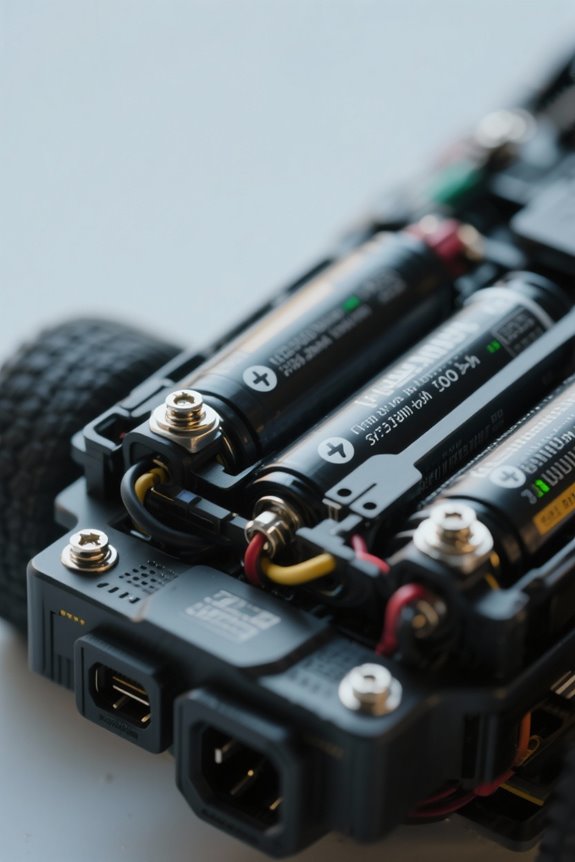
Motor Efficiency: Brushless motors improve efficiency by reducing energy loss as heat, giving us 25-40% longer runtime than brushed motors.
Throttle Management: Smooth driving styles enhance runtime by 20-30%, while abrupt acceleration drains batteries quickly.
Vehicle Weight and Design: Every 100 grams adds 3-5% drain; optimizing gear ratios can balance acceleration needs with efficient power usage.
Environmental Factors: Smooth surfaces save 30-40% energy compared to rough terrain, while temperature fluctuations affect battery discharge rates.
Maintenance: Regularly lubricating parts and using quality tires minimize drag, enhancing overall efficiency and runtime. Additionally, ensuring proper battery maintenance is crucial for maximizing performance and prolonging the life of your RC vehicle’s battery.
Average Runtime Expectations for Beginners
Understanding average runtime expectations for beginners involves considering the specific battery types used in their RC vehicles. LiPo Batteries typically provide a better runtime, with 4000mAh 6S packs offering about 35-45 minutes on smooth surfaces, and a 5000mAh battery lasting 15-30 minutes depending on driving style and conditions. Runtime Variability plays a significant role; aggressive driving on flat terrain can rapidly deplete battery life. Meanwhile, rougher surfaces or grass can reduce runtime by about 50%. Driving Conditions also matter; smoother, controlled driving conserves power, allowing for longer runtimes. As beginners, understanding these aspects helps us plan our sessions, ensuring our vehicles perform efficiently and we get the most enjoyment from our time spent on the track or in the park. Regular maintenance practices, such as storing LiPo batteries at roughly 50% charge, can significantly enhance their lifespan and performance.
Importance of Battery Capacity and Discharge Rates
Selecting the right battery for our RC vehicles is essential, as both battery capacity and discharge rates greatly impact performance. battery capacity, measured in milliamp-hours (mAh), indicates how long our battery can sustain usage before depleting. For example, a 5000mAh battery can provide 5 amps for 1 hour, but efficiency decreases at higher discharge rates. discharge rates, represented by the C rating, show how quickly a battery can release energy; higher C ratings support motors requiring large current spikes, enhancing acceleration. However, mismatches can lead to overheating and voltage sag. By carefully considering both capacity measurement and discharge efficiency, we optimize runtime and power output, ensuring our RC experience is both enjoyable and sustainable. Additionally, proper battery choice can significantly enhance the performance of our vehicles, especially when using models known for high-speed potential.
Best Practices for Battery Maintenance
When we consider battery maintenance for our RC vehicles, implementing best practices can greatly extend battery lifespan and performance. Proper Battery Storage Practices involve keeping LiPo batteries at a recommended storage voltage of about 3.7–3.85 V per cell, as storing them fully charged or completely discharged leads to damage and reduced longevity. We should also use fireproof containers to enhance safety. Routine Battery Inspection and Cleaning helps us catch physical damage early; we can simply wipe down battery surfaces with a dry, lint-free cloth. Additionally, Charging Precautions are essential; we must follow manufacturer recommendations to avoid overcharging. By following these guidelines, we make certain our batteries stay reliable and perform at their best, making our RC experiences much more enjoyable. Regularly using dedicated balance chargers will also help maintain the health of lithium polymer batteries by ensuring even cell charging.
Charging Recommendations for Beginners
Charging recommendations are vital for beginners to verify safe and efficient usage of RC vehicle batteries. Equipment and Charger Selection is the first step; we should always use chargers designed for the battery chemistry, such as NiMH or LiPo, to confirm safety and peak performance. Charging Basics involve maintaining a max voltage of 4.2V per LiPo cell and keeping the current at or below 1C for best battery life. Balance Charging is essential; always connect the battery’s balance plug to prevent voltage imbalances. Charging Procedures must include disconnecting batteries immediately after charging, checking for damage before use, and never leaving them unattended. Additionally, understanding the importance of maintenance and care can greatly extend your battery’s lifespan. By following these guidelines, we can avoid common beginner mistakes and guarantee enhanced battery longevity and safety.
Monitoring Battery Health and Signs of Damage
Monitoring battery health is essential for ensuring peak performance and longevity of our RC vehicles. Decreased runtime often indicates aging, as batteries may lose significant capacity after 200 or more charge cycles, leading to shorter usage periods. Voltage drop under load is another critical sign; a faster-than-normal fall in terminal voltage suggests reduced capacity or possible cell imbalance, which is particularly common in frequently cycled LiPo packs. Swelling or puffing should never be overlooked, since these physical changes in LiPo batteries indicate irreversible damage and pose serious safety hazards, necessitating immediate replacement. By being vigilant about these damage signs, we enhance our battery care practices, ensuring we enjoy more time on the track with our reliable RC vehicles and less time worrying about performance issues. Regularly checking for discharge rates can also help in assessing battery health and performance consistency.
Practical Tips for Battery Storage
Proper storage practices for RC vehicle batteries are vital for maximizing their lifespan and performance. Optimal Voltage Maintenance involves storing LiPo batteries at a partial charge, ideally between 3.7 to 3.85 volts per cell, preventing degradation. Temperature Control is essential; maintaining batteries at a consistent room temperature, ideally 20°C to 25°C (68°F to 77°F), helps avoid damage. Safety in Storage Environment mandates using fireproof bags and keeping batteries in well-ventilated areas to mitigate risks. Finally, Regular Charge Monitoring guarantees we perform storage charges every three to four weeks, checking for swelling or leaks. By adhering to these guidelines, we can considerably enhance battery storage and longevity, helping us get the most from our RC experiences.
Replacement Planning for RC Vehicle Batteries
Engaging in effective Replacement Planning for RC Vehicle Batteries allows us to maintain peak performance and safety in our vehicles. We should track charge cycles rigorously, as LiPo batteries last between 150 to 300 cycles, while Li-ion and LiFePO4 can perform for 400 to 500 cycles. Recognizing signs like reduced runtime or swelling in LiPo batteries indicates the need for battery replacement. It’s essential to verify battery compatibility when selecting replacements, as this affects performance. To prevent premature degradation, we can implement balanced charging and avoid complete discharges. Additionally, scheduling replacements before noticeable declines can enhance our overall experience with RC vehicles, keeping our rides safe and enjoyable for all involved.
Safe Disposal of Worn-Out Batteries
When it comes to the Safe Disposal of Worn-Out Batteries, we must prioritize safety and regulatory compliance. First, fully discharge LiPo batteries to 0V using methods like halogen light bulbs or saltwater soaking, as partial discharges can pose explosion risks. Once discharged, insulate terminals with electrical tape, and place the batteries in fireproof containers. Next, avoid throwing them in household trash; we should use designated disposal methods. Many retailers accept batteries for recycling, and dedicated collection boxes can be found in electronics stores and supermarkets. Finally, damaged batteries require specialized hazardous waste handling to mitigate safety hazards. By following these procedures, we guarantee responsible battery recycling and contribute to a safer environment.
Frequently Asked Questions
Can I Use Different Battery Chemistries in My RC Vehicle?
We can’t mix different battery chemistries in our RC vehicles due to battery compatibility issues and voltage differences. It’s vital to stick with the recommended type to guarantee safety and performance.
How Do Weather Conditions Affect Battery Performance?
As we zip through sunny days, battery temperature can soar, but in humid conditions, our batteries face the threat of corrosion. Let’s be mindful of how these weather effects could impact our RC adventures together!
What Charging Equipment Do I Need for My Battery?
To safely charge our batteries, we’ll need a compatible charger that guarantees battery maintenance. Remember to prioritize charging safety features, like automatic cutoffs and temperature sensors, to protect our batteries and enhance their lifespan together.
Can I Recharge a Partially Used Battery Anytime?
Yes, we can recharge a partially used battery anytime! Practicing good battery maintenance and managing charge cycles help extend our batteries’ life, ensuring we enjoy our RC vehicles without worry about deep discharges.
Are There Battery Brands Recommended for Beginners?
For beginners, we recommend brands like Traxxas and Duratrax. With proper battery maintenance tips, these reliable options help guarantee a safe, enjoyable experience, letting us plunge into the exciting world of RC vehicles together!


