As an Amazon Associate, we earn from qualifying purchases. Some links on this site are affiliate links at no extra cost to you. Our recommendations are based on thorough research and editorial judgment.

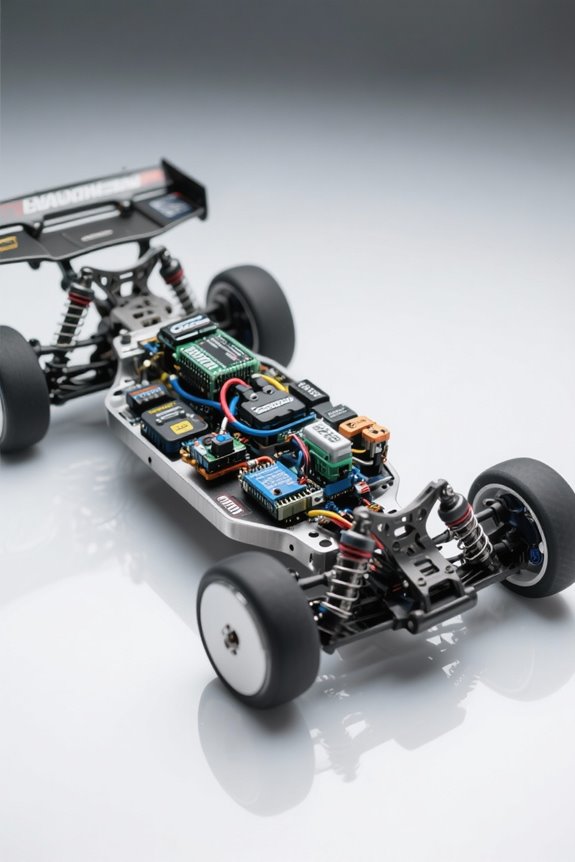
Can I Mix Different Brands Of RC Electronics?

Yes, we can mix different brands of RC electronics, but we must consider Compatibility Challenges; using devices with different protocols might cause issues. Performance Reliability comes into play as mismatched components can decrease efficiency and increase failure rates. Additionally, Brand Ecosystems dictate integration; proprietary technologies can limit our options. We need to assess Safety Risks, like overheating, to avoid hazards. By understanding these elements, we can guarantee a successful mix and enhance our RC experience. Further insights await.
Key Takeaways
- Mixing different brands of RC electronics may lead to compatibility issues due to proprietary protocols and specific connection standards.
- Performance can suffer when using mismatched components, particularly with electronic speed controllers (ESCs) from different brands.
- Regulatory certifications and EMC testing ensure devices will not interfere, but firmware compatibility is critical for synchronization.
- Risk of overheating and failure increases with incompatible battery chemistry and thermal tolerances, making proper testing essential.
- It’s advisable to operate within a single brand ecosystem for seamless integration and optimal performance.
Understanding Compatibility of RC Electronics
Understanding Compatibility of RC Electronics
When we mix different brands of RC electronics, we often encounter compatibility challenges. Regulatory certifications, such as FCC and CE, guarantee that devices comply with necessary radio frequency emissions, vital for safe operation. Electromagnetic Compatibility (EMC) testing confirms devices won’t interfere with each other, addressing potential interoperability issues.
Most modern systems operate on 2.4 GHz frequencies to enhance signal clarity but proprietary protocols can block cross-brand functionality. Additionally, physical interface standards, like SBUS and PWM, dictate how receivers and sensors connect, impacting compatibility. Finally, regular firmware updates from manufacturers can expand compatibility and resolve conflicts, underscoring the importance of staying updated. In short, proper attention to these specifications can optimize our RC experience. Furthermore, the compatibility of components such as aluminum parts can also significantly affect overall vehicle performance and stability.
Performance and Reliability When Mixing Brands
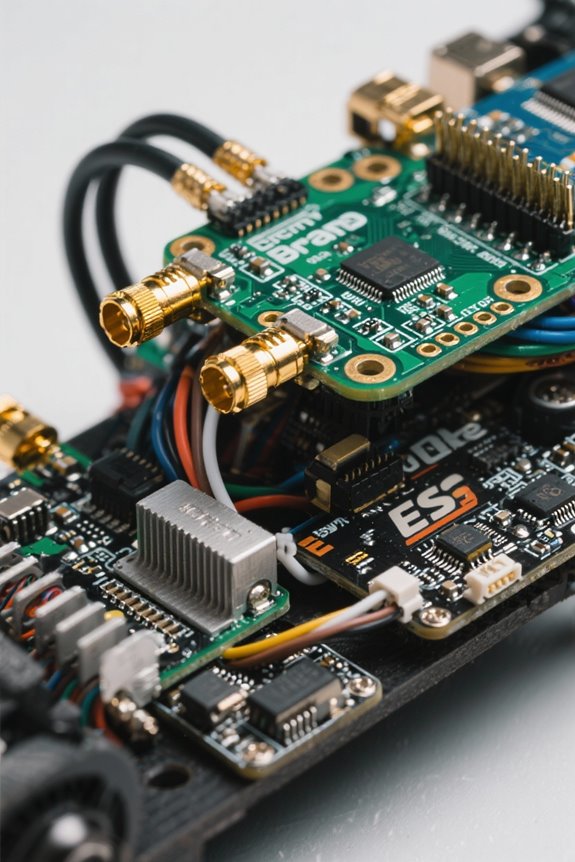
When mixing different brands of RC electronics, performance and reliability are often impacted. Firmware Compatibility is an important consideration; different brands might use unique firmware, leading to synchronization issues that can affect responsiveness. We may encounter performance variance with mixed components, especially when ESCs have dissimilar response times or power delivery profiles, destabilizing control. Additionally, using cheaper ESCs alongside branded ones introduces reliability concerns, as failure rates can increase under stress. Mismatched thermal tolerances can lead to overheating and premature failure, especially in high-stress applications. Proper configuration is essential to achieve balanced performance; without precise calibration, we risk frustrating inconsistencies that detract from our overall experience. To summarize, while mixing can work, caution and attention to detail are vital. Upgrading key components, like high-quality materials, can help mitigate some of these issues and enhance overall performance.
Commonly Mixed RC Electronics Examples
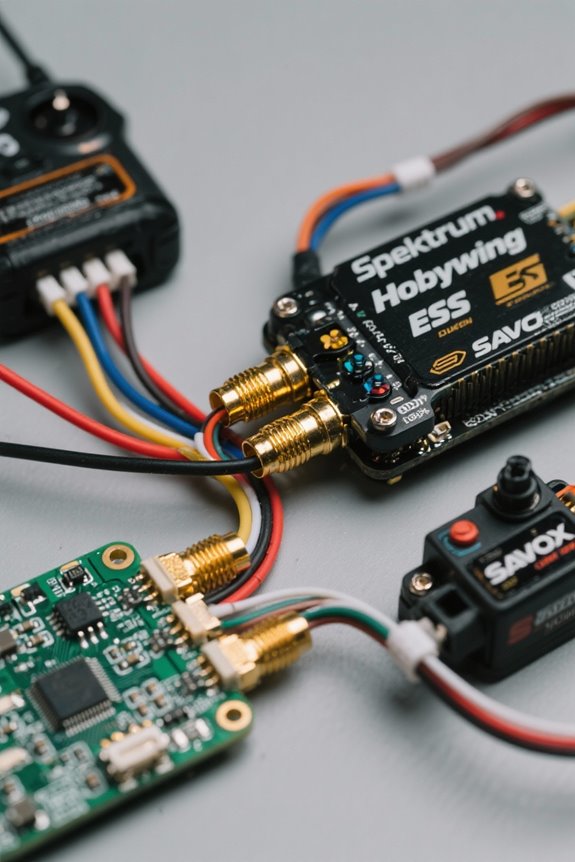
For receiver features, remember that binding multiple transmitters to a single receiver may require special features like ID Seed functionality, especially with brands like Radiolink. Testing combinations is essential since even same-protocol devices can have specific restrictions. Ultimately, staying informed about these details helps us enhance compatibility and performance in our setups. Additionally, understanding battery compatibility can significantly influence performance capabilities across different electronic brands.
Impact of Brand Ecosystems and Proprietary Technology

The complexity of mixing different brands of RC electronics arises primarily from brand ecosystems that dictate how components interact. Many brands utilize proprietary protocols to enhance performance within their product lines, such as Spektrum’s DSMX technology, which guarantees peak functionality with their receivers. These ecosystems promote brand loyalty, as users often need to stick to one brand to benefit from seamless integration and advanced features like telemetry. While proprietary designs do offer benefits like improved signal stability, they restrict flexibility when attempting to mix components. Ultimately, maneuvering between brands requires careful consideration of physical connections and supported interfaces, as compatibility can be limited. Aligning with one ecosystem allows us to reveal the full potential of our RC systems. Additionally, models with high-strength alloys ensure durability, which can be a crucial factor when considering compatibility across different brands.
Safety and Technical Risks of Mixing Electronics

Mixing electronics from different brands can expose us to multiple safety and technical risks, which can compromise our RC systems’ performance and reliability. Electrical Compatibility Risks arise due to varying internal resistances and voltage cutoffs, which can lead to unpredictable performance and component damage. Conducting regular risk assessments is essential to identify potential hazards. Thermal and Fire Hazards may develop from increased resistance, resulting in excess heat generation that can melt parts or spark fires. Incompatibilities in battery chemistry can cause mechanical failures, risking electrolyte leakage or thermal runaway. By ensuring proper thermal management, we can mitigate overheating risks while promoting efficiency. Ultimately, understanding these dangers helps us create safer, more reliable RC setups. Additionally, considering compatibility checks between different brands before installation can prevent many of these issues.
Community Practices in Mixing RC Brands
Community practices in combining RC brands show a wide array of approaches taken by enthusiasts. Collaborative Knowledge Sharing allows users to exchange experiences and techniques on ideal configurations, enhancing collective understanding of component compatibility. While some members remain loyal to a specific brand, others value performance over brand loyalty, seeking to mix and match components. Personal experience often guides choices, as online forums and local clubs become crucial resources. We share insights about the latest ESCs, receivers, and servos that work with various brands, highlighting their specifications and compatibility. These discussions help us identify synergies and avoid pitfalls while building our setups. Ultimately, we create a network of shared knowledge, empowering each other to achieve optimal performance in our RC endeavors. Furthermore, understanding the durability and construction quality of different brands can significantly influence compatibility choices for enhanced overall performance.
Tips for Successfully Mixing RC Electronic Components
Successfully combining different brands of RC electronic components requires careful attention to compatibility. Understanding Compatibility Standards** is essential because many RC brands utilize proprietary protocols, limiting the ability to mix parts freely. We should start with Compatibility Tests, ensuring voltage ratings and connector types align, as mismatches can lead to malfunction. Firmware Updates play a critical role; updating the firmware on an ESC may resolve cross-brand issues, allowing better integration of mixed components. Additionally, all connection points must be secure to avoid failures. Conducting regular checks on signal integrity and monitoring for overheating can highlight potential compatibility problems. By focusing on these elements, we can elevate our RC experiences through effective component integration. It is also important to consider the ESC’s protection features** to ensure that the combined components can operate safely and efficiently.
Evaluating Performance After Mixing Brands
When we evaluate performance after mixing brands, it’s crucial to take into account how brand-specific firmware variations affect overall functionality. Performance Consistency becomes a significant factor, as different electronic speed controllers (ESCs) or receivers can result in inconsistent motor and servo responses. We should monitor throttle response times and current draw, ensuring they align with our performance optimization goals. Troubleshooting Techniques involve observing voltage and temperature during initial runs to catch discrepancies early on. Data logging helps us quantify servo precision, while comparative lap times can highlight practical performance differences. Utilizing telemetry systems aids in real-time monitoring, allowing us to make informed adjustments and maintain efficiency, ultimately enhancing our mixed-brand setup’s reliability on the track. Additionally, understanding voltage compatibility is crucial for preventing overheating and ensuring optimal servo performance across different brands.
Frequently Asked Questions
Can I Mix Brands for Drone and Car Electronics?
Absolutely, we can mix brands for drone and car electronics! By combining different components, we access brand performance benefits, enhancing our setups. Just verify compatibility and enjoy the freedom of customization together with our RC community!
How Do I Identify Compatible Connectors Easily?
To identify compatible connector types easily, we can use compatibility charts to compare shapes, sizes, and current ratings. Together, we’ll guarantee our RC setups connect seamlessly, enhancing our experience and camaraderie as hobbyists.
Will Warranty Issues Arise From Mixing Brands?
Warranty issues often arise when mixing brands—around 70% of manufacturers void coverage if components aren’t brand-specific. We’ve got to evaluate brand reliability and stay within a single ecosystem for ideal protection and performance.
Are There Brands Known for Better Compatibility?
For better compatibility, we often find Tekno RC and HPI Racing lead the pack in brand reliability. However, we face compatibility challenges when mixing components, so sticking to one brand is usually our safest bet.
How Long Can I Expect Mixed Components to Last?
When it comes to mixed components, we might be playing with fire. Generally, we can expect a component lifespan of 20-30% less compared to reliable brands, impacting overall performance and dependability. Let’s choose wisely!


