As an Amazon Associate, we earn from qualifying purchases. Some links on this site are affiliate links at no extra cost to you. Our recommendations are based on thorough research and editorial judgment.

What’s The Average Lifespan Of RC Vehicle Components?

The average lifespan of RC vehicle components varies widely. Nitro Engines last between 40 to 80 hours or 6-8 gallons of fuel with proper maintenance. Battery Packs have 150-300 cycles for LiPo and 300-500 for NiMH batteries, influenced by usage. Chassis Materials like carbon fiber can exceed 10 years, while tires typically last 6 to 30 Battery Packs, depending on driving style. Understanding these factors helps us optimize performance and longevity. Learn more to enhance your RC experience.
Key Takeaways
- Nitro engines typically last 40 to 80 hours or about 6-8 gallons of fuel with proper maintenance.
- LiPo batteries have a lifespan of 150-300 charge cycles, while NiMH batteries last 300-500 cycles.
- Chassis materials, like carbon fiber (5-10+ years) and aluminum (3-7 years), vary in durability based on conditions and usage.
- Tires generally last between 6 to 30 battery packs, heavily influenced by driving habits and pressure maintenance.
- Regular inspections and upkeep can significantly extend the lifespan of all components in an RC vehicle.
Nitro Engine Lifespan
When we consider Nitro Engine Lifespan, it’s essential to recognize that its longevity hinges on several key factors. Engine Performance typically starts to decline after 4 to 5 gallons of fuel usage, and with diligent maintenance, we can extend this to around 45 liters, or about 12 gallons. Fuel Quality greatly impacts this lifespan; using high-quality fuel with ideal oil ratios reduces internal wear. For best results, routine maintenance, like cleaning after every gallon, helps prevent early failures. Additionally, replacing components such as glow plugs regularly guarantees consistent operation. Environmental conditions also matter; running in cleaner, moderate temperatures maintains engine integrity. Ultimately, by prioritizing maintenance and Fuel Quality, we can substantially enhance our engines’ performance and longevity. It’s also worth noting that using high-quality components improves overall durability and functionality of the engine.
Battery Pack Lifespan by Type
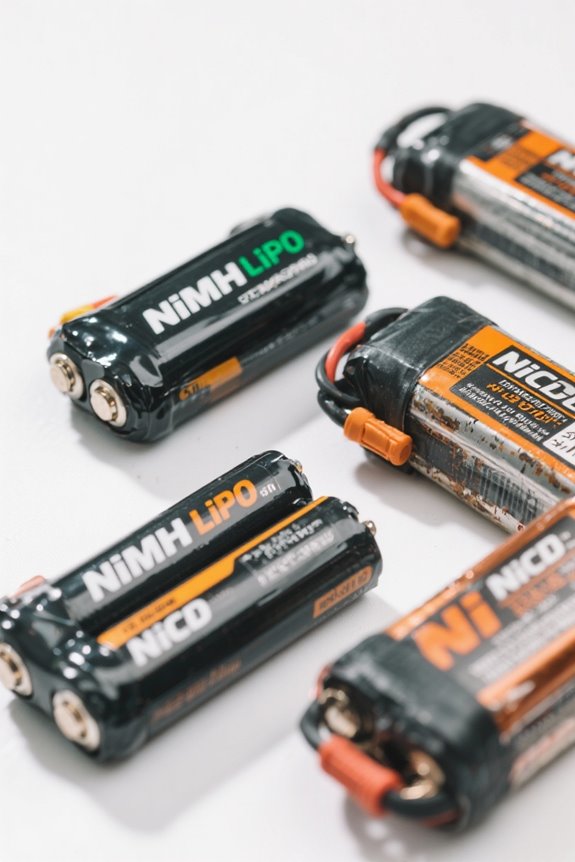
Choosing the right battery chemistry impacts our RC vehicle experience greatly. Additionally, regular maintenance is crucial for prolonging battery life and ensuring peak performance.
Chassis and Structural Components
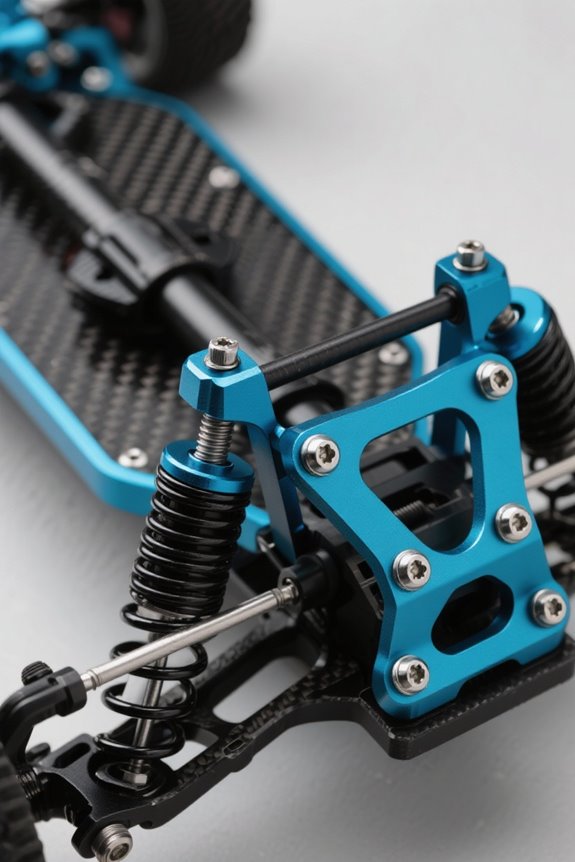
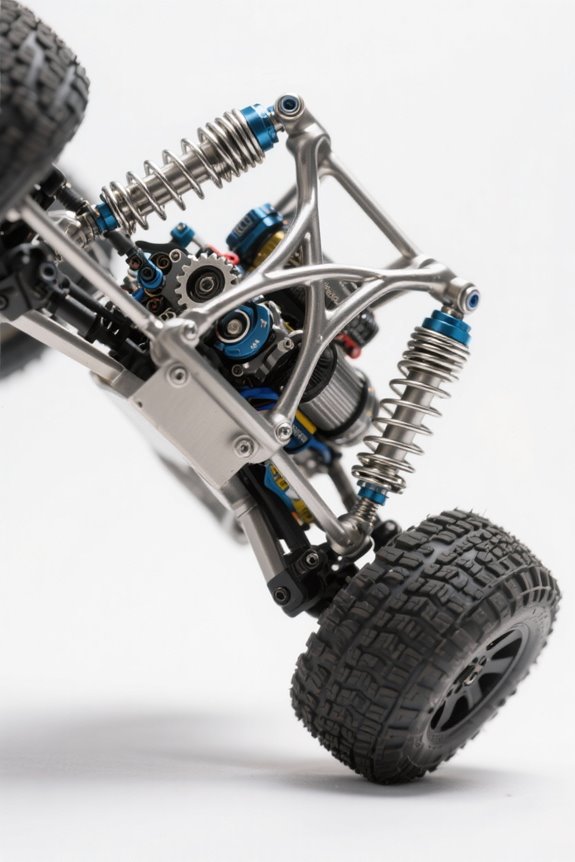
Chassis Durability: The robustness of our RC vehicle’s chassis is essential, as it impacts overall performance and longevity. Common chassis materials, like carbon fiber, aluminum, and plastic composites, each possess unique lifespans. Carbon fiber lasts longer, typically 5 to 10+ years, but can fail catastrophically if damaged. Aluminum, often lasting 3 to 7 years, endures impacts but may develop stress fractures. Plastic chassis, lasting 2 to 5 years, become brittle over time due to UV exposure. Our aggressive driving styles, like racing and bashing, greatly decrease these lifespans. By practicing careful usage and inspecting the chassis regularly, we maintain structural integrity, ensuring our vehicles remain reliable, ultimately enhancing our enjoyment while minimizing repair costs and downtime. Additionally, using beadlock designs can help protect against tire bead separation during heavy use, further supporting chassis stability.
Tires and Wheels
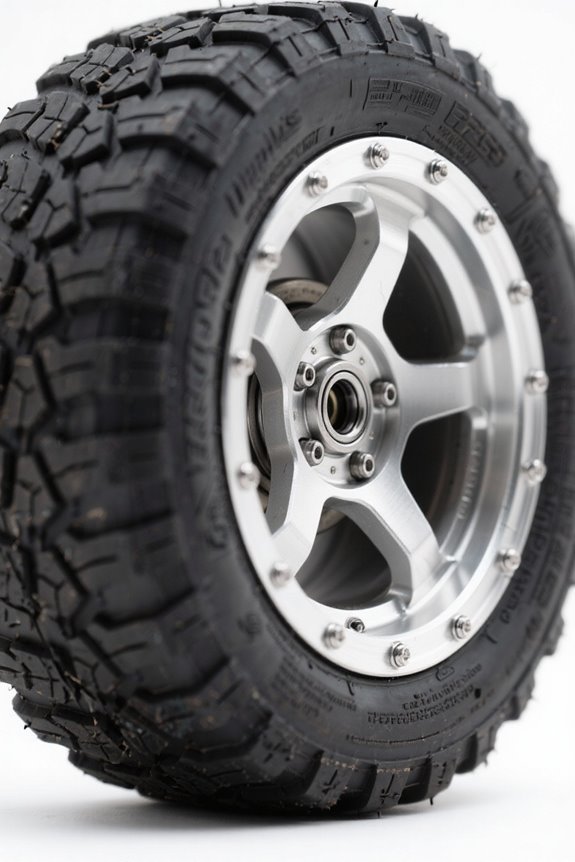
Tire Lifespan: Typically, RC tires last between 6 to 30 battery packs, greatly influenced by our driving habits and the types of surfaces we use. The harder the tire compound, the longer it may last, but grip can diminish. Maintaining proper tire pressure is crucial; it helps prevent uneven tire wear and guarantees consistent performance.
Tread Patterns: Different Tread Patterns suit various conditions, impacting our overall experience. Regular inspection for damage and cleaning after use can greatly improve longevity. Also, environmental factors like surface abrasiveness or temperature play a significant role in tire degradation. Additionally, high-quality materials can enhance the durability of tires, prolonging their lifespan and maintaining performance over time.
Transmission and Drive Components

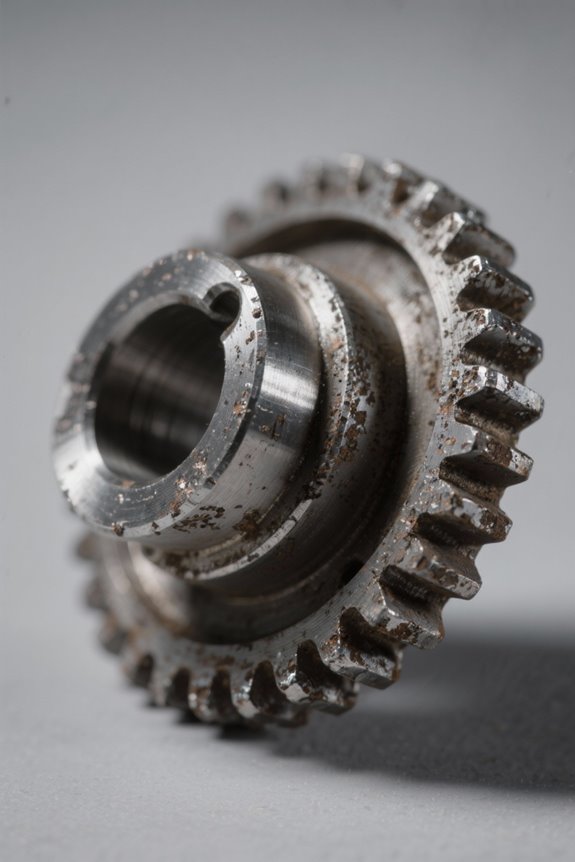
After discussing the significance of tires and wheels in optimizing our RC vehicle performance, we now focus on Transmission and Drive Components, which play a vital role in overall efficiency and power delivery. Maintenance Frequency is critical; regular inspections and cleaning can prevent debris buildup and gear damage. Lubrication Quality matters, too. Using low-viscosity oils reduces friction and boosts drivetrain efficiency by up to 15%. Routinely checking for loose screws and signs of wear helps catch potential failures early, enhancing component longevity. Also, managing heat is essential, as overheating contributes to around 30% of transmission failures. By adopting these practices, we can markedly extend the lifespan of our Transmission and Drive Components, ensuring better performance of our RC vehicles. Additionally, incorporating upgraded components can significantly improve durability and efficiency over time.
Electronics and Servos
ESC Durability greatly hinges on avoiding reverse battery connections and excessive heat build-up. By adhering to manufacturer guidelines and promoting effective cooling, we can enhance ESC longevity. Regular inspections help catch wear early, preventing performance issues. Given that servos and ESCs are essential for smooth operation, understanding their lifespans allows us to maintain performance and reliability, keeping our RC adventures enjoyable and uninterrupted. Additionally, incorporating various protection functions such as low voltage cut-off can significantly extend the life of the ESC by preventing potential damage.
Maintenance Practices for Longevity
Maintenance Practices for Longevity are essential for enhancing the durability and performance of our RC vehicles. Lubrication Techniques require using RC-specific lubricants for gears, bearings, and drive components, ensuring a consistent schedule to reduce friction-related wear. However, we must avoid over-lubrication, which can attract dirt and grime, accelerating damage. Cleaning Methods involve cleaning our vehicles after every use to eliminate dirt and debris that could increase wear. Utilizing compressed air and soft brushes helps preserve intricate parts, while we should avoid water to prevent damage. By focusing on these maintenance practices, we not only extend the lifespan of our components but also maintain peak performance, leading to a more enjoyable and efficient driving experience overall. Additionally, regular maintenance is important as it can influence the battery life of each vehicle, allowing for extended playtime without interruption.
Common Signs of Wear and Tear
Recognizing Common Signs of Wear and Tear is essential for maintaining the performance of RC vehicles, as these indicators help us determine when components need attention. Engine Components may exhibit overheating beyond 150°C or show rough idling, signaling potential issues like piston wear and cylinder scoring. Battery Health Indicators include reduced run time after 300-500 cycles for NiMH batteries, with swelling or leaks marking LiPo wear. Suspension and Drive Train Components show wear signs like increased play or noise in axles and pinion gears, indicating imminent failure. Tires and Wheels Fatigue appears as natural tread wear or excessive wobble, while Electronics and Wiring Deterioration can manifest in frayed connectors or reduced signal range. Timely recognition of these performance indicators guarantees longevity and reliability. Additionally, understanding battery life is crucial for ensuring you get the maximum enjoyment from your RC vehicle.
Impact of Driving Style on Lifespan
Driving styles have a significant impact on the lifespan of RC vehicle components, especially when it comes to mechanical stress and overall durability. Aggressive Driving not only increases strain on suspension arms, dogbones, and axles, but also accelerates component wear, often leading to a reduced lifespan. High RPM and sudden stops put immense stress factors on drivetrain components, dramatically shortening their usable life. Moreover, tire wear escalates due to harsh cornering and impacts, resulting in the need for frequent replacements. Battery Life diminishes, too; high discharge rates from driving aggression reduce LiPo battery cycles to 150-300, while excessive heat risks damage. Ultimately, we should prioritize controlled driving to extend our components’ reliability and performance, ensuring we all enjoy our RC experiences longer. All-terrain capabilities such as those found in models like the DEERC 9309E can help mitigate some damage by distributing loads more evenly across surfaces.
Replacement Timing and Part Availability
When it comes to Replacement Timing, understanding the typical lifespan of various RC vehicle components is essential for optimizing performance. Nitro engines usually last between 40 to 80 hours or 6-8 gallons of fuel, though careful maintenance may extend this. Keeping a replacement schedule guarantees we replace them before overheating occurs.
Regarding Battery Packs, NiMH batteries should be replaced after 300-500 cycles, while LiPo packs need attention at 150-300 cycles, emphasizing the importance of part sourcing. Maintaining battery performance is crucial for enjoying extended run times during racing sessions.
For Mechanical Components, tires and wheels typically require replacement every few months due to wear. Regular inspections help us time these replacements effectively. With proper care, we can prolong the lifespan of our beloved vehicles, guaranteeing sustained enjoyment on our adventures.
Cost-Benefit Analysis of Upgrading Components
Evaluating the Cost vs. Performance Gains of Upgrading Components is essential for optimizing our RC experience. Upgrading to high-quality brushless motors boosts power and efficiency, extending runtime despite higher initial costs. Premium LiPo batteries improve weight-to-power ratios but require careful handling for longevity. Replacing stock plastic gears with metal gears** increases durability, yet may alter balance and speed. Investing in aluminum shocks enhances suspension and improves handling but often comes at a steep price. Furthermore, advanced electronic speed controllers (ESCs)** can protect motors and enhance throttle responses, creating a strong cost-benefit scenario for regular users. Each upgrade consideration should include a thorough performance evaluation, factoring in both upfront costs and long-term maintenance savings.
Environmental Factors Influencing Lifespan
Environmental factors remarkably impact the lifespan of RC vehicle components, necessitating careful consideration when operating and maintaining our models. Temperature plays an essential role; for instance, nitro engines should operate below 150°C to prevent damage to internal parts. Moisture control is vital, as water intrusion can lead to corrosion and short circuits in electronic components, severely reducing their lifespan. Dust exposure also affects performance; accumulated dirt in gears raises friction and wear rates. Additionally, terrain conditions can stress components, leading to faster deterioration on rough surfaces. By actively managing these environmental exposures, we can meaningfully enhance the durability and reliability of our RC vehicles, ensuring a more enjoyable experience for our community.
Tips for Extending the Life of Your RC Vehicle Components
To extend the life of our RC vehicle components, we must adopt a disciplined maintenance routine that includes thorough cleaning, regular inspections, and attentive care. Post-run Cleaning is essential; we should use compressed air to dislodge dirt and debris from bearings and suspension pivots, preventing premature wear and ensuring smooth operations. Visual Inspections must be conducted frequently, allowing us to spot cracks, loose fasteners, or damaged parts before they become critical failures. Implementing proper Storage Solutions, such as keeping our vehicles in a controlled environment, protects components from temperature fluctuations and moisture damage. Finally, using effective Cleaning Techniques keeps our vehicles in peak condition, promoting longevity and ideal performance. By being diligent, we can enhance our RC experience together.
Frequently Asked Questions
How Does Weather Affect RC Vehicle Component Lifespan?
Weather impacts our RC vehicle components considerably. Temperature fluctuations cause stress, while humidity effects lead to corrosion. By taking care to protect and maintain our vehicles, we can extend their lifespans and guarantee reliable performance.
Can I Mix Different Battery Types in an RC Vehicle?
No, mixing battery types isn’t safe. Did you know LiPo batteries can last 150-300 cycles? We should prioritize battery compatibility and follow proper charging practices to maximize their performance and longevity together, feeling confident in our choices.
What Role Does Vehicle Weight Play in Component Wear?
Vehicle weight plays a vital role in component wear for us. Poor weight distribution amplifies the weight impact on drivetrain and suspension, leading to faster degradation and costly repairs. Let’s prioritize balanced setups to enhance longevity together!
Are Aftermarket Parts Worth the Investment for Longevity?
Absolutely, aftermarket parts offer significant benefits for longevity. While initial costs can seem steep, a careful cost analysis shows they often save us money in replacements and maintenance over time, enhancing our overall RC experience together.
How Can I Store My RC Vehicle to Maximize Component Lifespan?
“An ounce of prevention’s worth a pound of cure.” To maximize our RC vehicle’s lifespan, let’s guarantee proper storage with temperature control, keeping it dry and cool, away from direct sunlight and moisture.